
Product Description
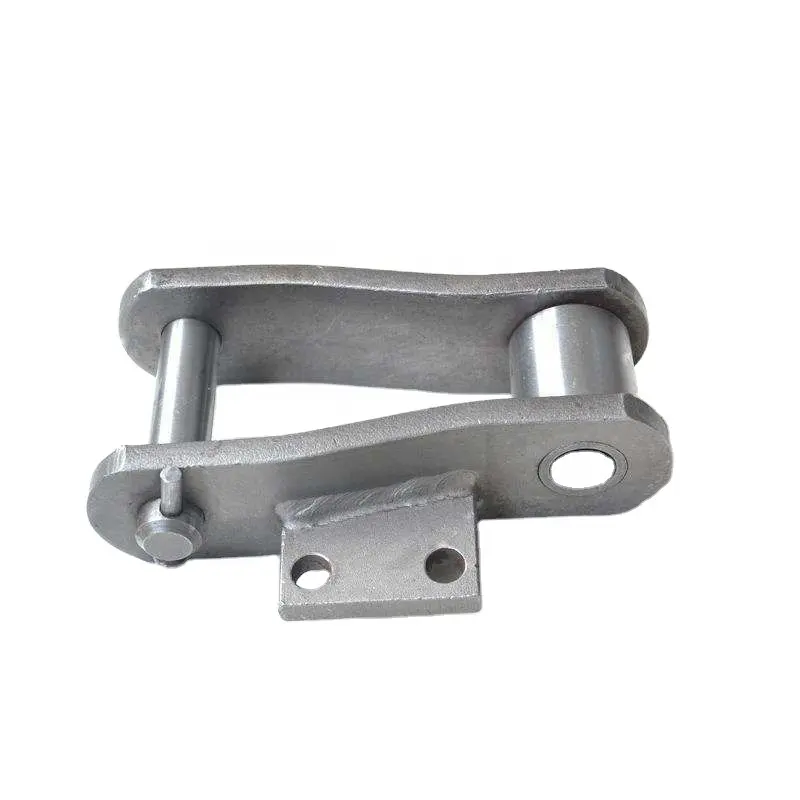
High Quality Simplex Chain Standard Conveyor Gear Double Pitch Short Pintle Cast Iron Transmission Stain Steeling Metric Roller Simplex Chain
A simplex chain is a type of roller chain commonly used in various industrial and mechanical applications for power transmission. Simplex chains consist of a series of linked plates connected by pins and rollers, which use sprockets to transmit power between 2 rotating shafts.
The links of a simplex chain are typically made of hardened steel or other durable materials, and the rollers are designed to reduce friction and wear between the chain and sprockets. Simplex chains are available in various sizes and configurations to meet the specific needs of different applications.
One advantage of simplex chains is their ability to transmit high torque and power with relatively low noise and vibration. They can also operate at high speeds and in a wide range of temperatures and operating conditions.
Proper selection and installation of simplex chains is important to ensure their efficient operation and optimal performance. Careful consideration should be given to the application’s specific requirements, such as the torque and power requirements, operating speed, and environmental conditions.
Regular inspection and maintenance of the simplex chain is also important to ensure its longevity and efficiency. The chain should be regularly inspected for wear and damage, and the lubrication should be checked and replenished according to the manufacturer’s recommendations to ensure smooth and reliable operation.
In addition, the chain should be properly tensioned and aligned with the sprockets to prevent excessive wear and damage, and the sprockets should be regularly inspected for wear and damage to ensure proper engagement with the chain. Proper filtration and fluid cleanliness are also important to prevent contamination and wear on the chain and other components.
| Usage: | Transmission Chain, Drag Chain, Conveyor Chain, Dedicated Special Chain |
|---|---|
| Material: | Stainless steel |
| Surface Treatment: | Oil Blooming |
| Feature: | Oil Resistant |
| Chain Size: | 1/2"*3/32" |
| Structure: | Roller Chain |
| Samples: |
US$ 9999/Piece
1 Piece(Min.Order) | |
|---|
Can pintle chains be used in forestry and timber processing equipment?
Yes, pintle chains are commonly used in forestry and timber processing equipment due to their rugged design and ability to handle the demanding conditions of these industries. Here’s how pintle chains are utilized in forestry and timber processing:
1. Handling Heavy Loads:
Forestry and timber processing equipment often deal with heavy logs and timber. Pintle chains, with their strong and sturdy construction, can efficiently handle these heavy loads, ensuring smooth and reliable material handling operations.
2. Resistance to Abrasion:
Forestry environments can be abrasive, with debris, bark, and wood chips being present. Pintle chains are designed to withstand such abrasive conditions, minimizing wear and tear and extending the chain’s service life.
3. Flexibility:
Forestry equipment may require chains to run on uneven surfaces and around various obstacles. Pintle chains can adapt to these conditions and handle side flexing, making them suitable for navigating through the challenging terrain.
4. Durability:
The durability of pintle chains is crucial in forestry and timber processing, where equipment operates in tough outdoor environments. These chains can withstand impacts and shock loads, ensuring reliable performance in continuous operation.
5. Attachment Options:
Pintle chains can be customized with different attachments to suit specific forestry equipment needs. Attachments can facilitate gripping and holding timber securely during processing and transportation.
6. Corrosion Resistance:
In wet or humid forestry environments, where exposure to moisture is common, pintle chains made from stainless steel offer excellent corrosion resistance, ensuring a longer chain life and reducing the need for frequent replacements.
7. Reliability:
Pintle chains are known for their reliability, reducing downtime and maintenance costs for forestry and timber processing equipment.
Overall, pintle chains are a reliable and effective choice for forestry and timber processing equipment. Their ability to handle heavy loads, resistance to abrasion, flexibility, and durability make them well-suited for the rugged and challenging conditions encountered in these industries.
How do pintle chains handle wear and tear in continuous operation?
Pintle chains are designed to handle wear and tear in continuous operation, but their performance and lifespan depend on various factors.
1. Material Quality: The quality of the material used in manufacturing pintle chains significantly affects their wear resistance. High-quality, heat-treated alloy steels are commonly used to improve the chain’s strength and durability.
2. Lubrication: Proper and regular lubrication is essential to reduce friction and wear between the chain’s components. Lubricants help maintain smooth operation and prevent metal-to-metal contact, which can cause accelerated wear.
3. Maintenance: Regular maintenance practices, such as inspecting for wear, cleaning, and re-lubrication, are crucial to extend the chain’s lifespan and ensure reliable performance. Any damaged or worn-out components should be replaced promptly.
4. Load Distribution: Properly designed sprockets and appropriate load distribution along the chain help minimize localized wear and prolong the chain’s life. Uniformly distributing the load prevents excessive stress on specific areas of the chain.
5. Environmental Conditions: The operating environment can also impact wear and tear. Pintle chains used in harsh or abrasive environments may experience faster wear. In such cases, choosing chains with additional protective coatings or materials may be beneficial.
6. Tensioning: Correct tensioning of pintle chains is critical for their performance. Too much tension can lead to accelerated wear, while insufficient tension may cause the chain to jump or skip teeth on the sprockets.
7. Chain Speed: The chain’s speed can affect its wear rate. High-speed applications may cause increased friction and wear, requiring more frequent inspections and maintenance.
In summary, pintle chains can handle wear and tear in continuous operation, provided they are made from high-quality materials, properly lubricated, and maintained regularly. Taking preventive measures, such as proper tensioning and load distribution, can help extend the chain’s lifespan and ensure smooth, reliable operation over time.
How do you select the right size and strength for a pintle chain?
Selecting the right size and strength for a pintle chain involves considering several factors to ensure optimal performance and longevity. Here’s a more detailed explanation of the selection process:
- Load Requirements: Determine the maximum load the pintle chain will need to carry. This includes both static and dynamic loads. Consider the weight of the conveyed material or the tension in the system for power transmission applications.
- Pitch Size: Measure the distance between each pintle pin center to the next. This measurement is known as the pitch size. Choose a pintle chain with a pitch size that matches the sprocket’s pitch diameter to ensure proper engagement and smooth operation.
- Chain Strength: Based on the calculated maximum load, select a pintle chain with adequate tensile strength to handle the load without risking chain failure or deformation. Consult the chain manufacturer’s documentation for strength ratings and specifications.
- Number of Strands: For applications requiring higher load capacities, you may need to use multiple strands of pintle chains. Determine the number of strands based on the load distribution required for the specific application.
- Environmental Factors: Consider the operating environment of the pintle chain. If the chain will be exposed to corrosive substances, moisture, or extreme temperatures, choose a material that provides suitable resistance to these environmental factors (e.g., stainless steel for corrosion resistance).
- Speed: Evaluate the speed of the application. Higher speeds may require pintle chains with better fatigue resistance and precision manufacturing to maintain performance.
- Maintenance: Assess the maintenance schedule and accessibility for lubrication and inspection. Proper maintenance is essential for maximizing the life and performance of the pintle chain.
It’s important to consult the manufacturer’s documentation and engineering guidelines to ensure the selected pintle chain meets the specific requirements of the application. Additionally, working with experienced engineers or chain specialists can provide valuable insights and assistance in selecting the right pintle chain for the intended use.
In summary, selecting the right size and strength for a pintle chain involves considering the load requirements, pitch size, chain strength, environmental factors, speed, and maintenance schedule to ensure optimal performance and reliability in the intended application.


editor by CX 2023-11-20