
Product Description
| MODEL | P | T | t | h | H | b | d |
| S16 | 100 | 30 | 15 | 27 | 8 | 16 | 14 |
| P102-W385 | 102 | 30 | 13 | 27 | 9 | 14 | 14 |
| RUS270 | 123 | 50 | 24 | 46 | 16 | 25 | 20 20.5 |
| Z20 | 125 | 50 | 24 | 48 | 15 | 26 | 20 |
| P140 | 140 | 78 | 31 | 50 | 19 | 32 | 25 |
| Z30 | 142 | 64 | 28.5 | 50 | 18 | 30.5 | 25 |
| 150 | 150 | 38 | 18 | 40 | 10 | 20 | 18 |
| P155 | 155 | 79 | 39.5 | 63.5 | 36 | 40.5 | 30 |
| Z25 | 160 | 58 | 28 | 55 | 18 | 30 | 25 |
| YD310 | 200 | 43 | 20 | 47 | 12 | 22 | 20 |
| A-3634 | 216 | 64 | 26 | 72 | 20 | 28.5 | 35 |
| X63 | 250 | 60 | 28 | 70 | 20 | 30 | 25 |
| P260 | 260 | 72 | 32 | 75 | 20 | 34 | 32 |
ZheJiang CHINAMFG Precision Casting and Forging Inc. was established in 2003, covering an area of 40,000 square meter with 300 employees. In 2571, the company passed the quality management system certification of GB/T 19001-2016 and ISO 9001:2015, and has a number of invention patents.It is a national high-tech enterprise.
Our main products are bucket teeth,side teeth,bucket adapter for excavator and loader; Forged pipe coupling for concrete pump ; Drop forged chain for scraper conveyor, etc. Other casting and forging parts canalsobecustomized accordingto customer drawings. The main materials are alloy steel, high manganese steel, gray iron, ductile iron, etc.
Our company can produce casting range in 0.1kg-2tons, forging range in 0.1kg-100kgs, casting and forging annual capacity of 10,000tons.From productdesign, mold development to heattreatment, machining and spraying, we provide the whole processof internal manufacturing to better control the cost and quality.
ZheJiang Plus Import and Export Trading Co., Ltd. was established in 2571, is Wanxin’s subsidiary, mainly responsible for marketing and export.
FAQ
Q1.Are you a manufacturer or a trading company?
we are totally manufacturer of machinery parts.
Q2.Can i get samples for checking the quality?
we can provide free samples,but you need to pay the freight.
Q3.What’s your MOQ?
For normal prodcuts,we don’t have MOQ.
For customerized products,we will tell you MOQ based on your drawing.
Q4.What’s your delivery time?
it’s about 7-45 days based on your quantity.
Q5.What’s your payment terms?
AmountAmount≥5000USD,T/T 30% as deposit,balance before delivery.
/* May 10, 2571 16:49:51 */!function(){function d(e,r){var a,o={};try{e&&e.split(“,”).forEach(function(e,t){e&&(a=e.match(/(.*?):(.*)$/))&&1
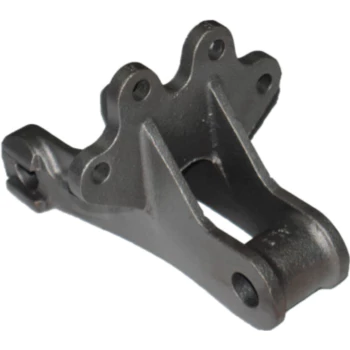
Can pintle chains be used in agriculture and farming equipment?
Yes, pintle chains are commonly used in agriculture and farming equipment due to their strength, durability, and ability to handle heavy loads. These chains play a crucial role in various agricultural tasks, making them an essential component in farming machinery. Here are some common applications of pintle chains in agriculture and farming equipment:
1. Combine Harvesters:
Pintle chains are used in combine harvesters to efficiently convey and move harvested crops from the cutting platform to the grain tank or wagon. These chains can handle the heavy loads of crops, ensuring smooth harvesting operations.
2. Balers:
In balers, pintle chains assist in compressing and forming bales of hay, straw, or other agricultural materials. These chains help maintain the integrity of the bales during the baling process.
3. Forage Harvesters:
Pintle chains are used in forage harvesters to transport chopped forage from the cutting unit to the collection system or wagon. They provide reliable and efficient conveyance of forage materials.
4. Planters and Seeders:
In planting and seeding equipment, pintle chains are used to convey seeds or seedlings from the hopper to the planting mechanism, ensuring precise and consistent planting.
5. Grain Augers:
Pintle chains are employed in grain augers to transport grains or other materials from the intake hopper to the discharge spout. These chains can handle the bulk movement of grains efficiently.
6. Grain Elevators:
In grain elevators, pintle chains are used to lift and transport grains vertically between different levels, enabling easy and efficient grain handling.
7. Silage Choppers:
Pintle chains are used in silage choppers to transport chopped silage from the cutter head to the wagon or storage area. These chains are designed to handle the abrasive nature of silage materials.
8. Manure Spreaders:
In manure spreaders, pintle chains assist in conveying and spreading manure across fields, contributing to soil enrichment and fertilization.
Overall, pintle chains are a reliable and versatile choice for various agricultural applications. Their robust construction and ability to handle heavy loads make them suitable for use in different farming equipment, enhancing the efficiency and productivity of agricultural operations.

What are the limitations of using pintle chains in certain applications?
Pintle chains, while versatile and suitable for many industrial applications, do have some limitations that may affect their use in certain situations. These limitations include:
- Speed: Pintle chains are not ideal for high-speed applications. Their design and construction may limit the maximum speed they can operate at without experiencing excessive wear and fatigue.
- Precision: Pintle chains may not provide the same level of precision as other types of conveyor chains. In applications where precise positioning or indexing is critical, pintle chains might not be the best choice.
- Noise and Vibration: Pintle chains can produce more noise and vibration compared to other types of chains, which could be a concern in applications requiring quiet and smooth operation.
- Wear: While pintle chains are designed to be durable, they may experience more wear in certain conditions, such as when handling abrasive materials or operating in dirty and harsh environments.
- Complexity: Pintle chains have a more intricate design compared to standard roller chains, which can make them harder to assemble and disassemble, potentially increasing maintenance time and costs.
- Chemical Exposure: Pintle chains made of certain materials may not be suitable for applications involving exposure to aggressive chemicals or corrosive substances.
Despite these limitations, pintle chains remain a popular choice for many industrial applications due to their strength, durability, and versatility. It’s essential to carefully consider the specific requirements of the application and assess whether the characteristics of pintle chains align with the operational demands.
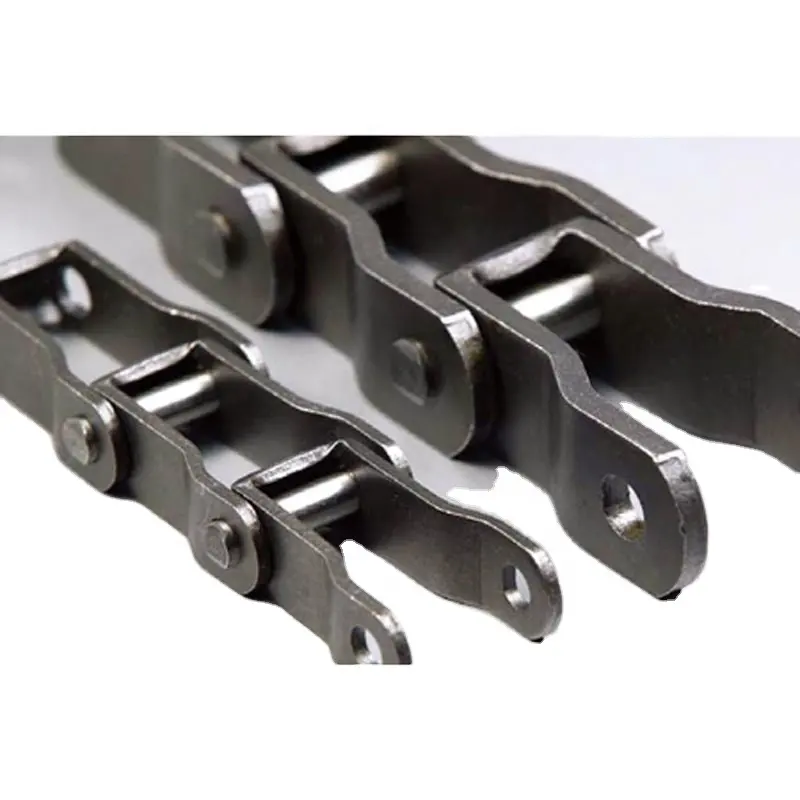
How do you select the right size and strength for a pintle chain?
Selecting the right size and strength for a pintle chain involves considering several factors to ensure optimal performance and longevity. Here’s a more detailed explanation of the selection process:
- Load Requirements: Determine the maximum load the pintle chain will need to carry. This includes both static and dynamic loads. Consider the weight of the conveyed material or the tension in the system for power transmission applications.
- Pitch Size: Measure the distance between each pintle pin center to the next. This measurement is known as the pitch size. Choose a pintle chain with a pitch size that matches the sprocket’s pitch diameter to ensure proper engagement and smooth operation.
- Chain Strength: Based on the calculated maximum load, select a pintle chain with adequate tensile strength to handle the load without risking chain failure or deformation. Consult the chain manufacturer’s documentation for strength ratings and specifications.
- Number of Strands: For applications requiring higher load capacities, you may need to use multiple strands of pintle chains. Determine the number of strands based on the load distribution required for the specific application.
- Environmental Factors: Consider the operating environment of the pintle chain. If the chain will be exposed to corrosive substances, moisture, or extreme temperatures, choose a material that provides suitable resistance to these environmental factors (e.g., stainless steel for corrosion resistance).
- Speed: Evaluate the speed of the application. Higher speeds may require pintle chains with better fatigue resistance and precision manufacturing to maintain performance.
- Maintenance: Assess the maintenance schedule and accessibility for lubrication and inspection. Proper maintenance is essential for maximizing the life and performance of the pintle chain.
It’s important to consult the manufacturer’s documentation and engineering guidelines to ensure the selected pintle chain meets the specific requirements of the application. Additionally, working with experienced engineers or chain specialists can provide valuable insights and assistance in selecting the right pintle chain for the intended use.
In summary, selecting the right size and strength for a pintle chain involves considering the load requirements, pitch size, chain strength, environmental factors, speed, and maintenance schedule to ensure optimal performance and reliability in the intended application.


editor by lmc 2024-11-19