
Product Description
Why choose us ?
1. HangZhou Xihu (West Lake) Dis.hua Chain Group Co., Ltd established in 1991, we have 5 subsidiaries in china and also have 6 subsidiaries abroad;
2. we covering a production area of 200,100 square meters, have more than 1,800 sets of advanced equipment and over 3,100 highly skilled employees, the annual production capacity has exceeded 20,000,000 meters;
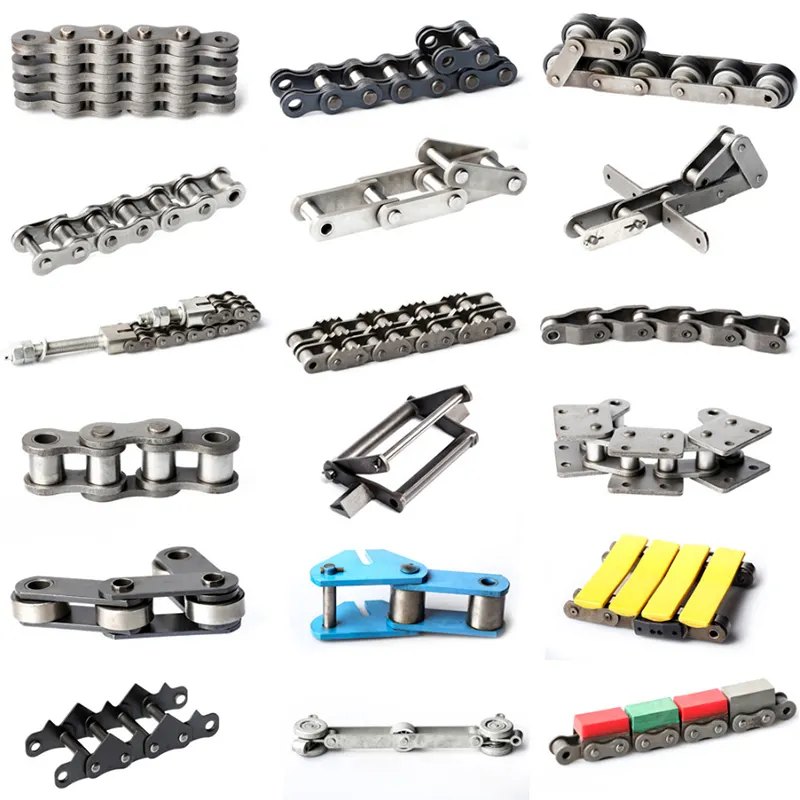
3. we specialized in producing all kinds of standard chains and special chains, such as A or B series chains, roller chains, driving chains, conveyor chains, dragging chains, agricultural chains , steel pintle chains and so on;
4. we have obtained ISO9001, ISO14001, ISO16969, AAA and API certificates.
1. Technical parameters:
2.Production flow chart
1.incoming material
2.inspection
3.production of chain board (cold roll steel/punch/heat treatment/shot blasting/cleaning)
4.production of roller(burr wiping & smear/heat treatment/wiping grinding/cleaning)
5.production of quill(burr wiping & smear/centerless cylindrical grinding/heat treatment/shining)
6.production of shaft(cutting/chamfering/heat treatment/ centerless cylindrical grinding/cleaning)
7.assembling
8.final inspection
9.packing
3.Certificate
The company is specialized in producing all kinds of standard chains and special chains, E. G. A or B series chains, automobile chains, stainless steel chains, combine harvester chains, heavy-duty cranked link transmission chains, stereo garage chains and maintenance-free chains etc. In recent years, it invests the capital and depends on the improvement of technology to accelerate the step of new product development and the step of technology reform. It intends to produce high strength and precision chains in order to meet requirements of the domestic and overseas markets. We have enclosed our catalog, which introduces our company in detail and covers the main products we supply at present.
Should any of these items be of interest to you, please let us know. We will be happy to give you a quotation CHINAMFG receipt of your detailed requirements.
We look CHINAMFG to receiving your enquires soon.
| Usage: | Transportation Chain |
|---|---|
| Material: | Carbon Steel |
| Surface Treatment: | Electroplating |
| Feature: | Heat Resistant |
| Chain Size: | 1/2"*3/32" |
| Structure: | Roller Chain |
| Customization: |
Available
| Customized Request |
|---|
How do pintle chains handle shock loads and dynamic forces?
Pintle chains are designed to handle shock loads and dynamic forces common in industrial applications. Here’s a more detailed explanation:
Robust Construction:
Pintle chains are built with robust materials and construction, typically using hardened alloy steel. This construction provides the chain with the strength and durability needed to withstand shock loads and dynamic forces.
Flexible Design:
Pintle chains have a flexible design with open barrels, allowing for greater articulation between the chain’s components. This flexibility helps the chain absorb shock loads and adjust to dynamic forces, reducing stress on the chain and its attachments.
High Tensile Strength:
Pintle chains have high tensile strength, which enables them to resist breaking or elongation under heavy loads or sudden impacts. The chain’s strength is a crucial factor in its ability to handle shock loads without failure.
Superior Load Distribution:
As the chain articulates, the load is distributed across multiple points, preventing concentrated stress on individual components. This load distribution capability helps prevent premature wear and failure due to shock loads.
Well-Designed Attachments:
The attachments of pintle chains are designed to securely hold the product being conveyed while maintaining flexibility. This design prevents products from becoming dislodged or damaged during shock events.
Proper Lubrication:
Regular and proper lubrication is essential for pintle chains to reduce friction and wear, especially during shock loads. Adequate lubrication ensures smoother articulation and reduces the impact of dynamic forces on the chain.
Regular Inspections:
Frequent inspections help identify signs of wear or damage caused by shock loads. Regular maintenance allows for timely replacement of worn or damaged components, ensuring the chain’s optimal performance and reliability.
Conclusion:
Pintle chains are engineered to handle shock loads and dynamic forces through their robust construction, flexible design, high tensile strength, load distribution capabilities, well-designed attachments, and proper lubrication. Regular maintenance and inspections are crucial to preserving the chain’s integrity and performance in the face of demanding industrial conditions.

What are the limitations of using pintle chains in certain applications?
Pintle chains, while versatile and suitable for many industrial applications, do have some limitations that may affect their use in certain situations. These limitations include:
- Speed: Pintle chains are not ideal for high-speed applications. Their design and construction may limit the maximum speed they can operate at without experiencing excessive wear and fatigue.
- Precision: Pintle chains may not provide the same level of precision as other types of conveyor chains. In applications where precise positioning or indexing is critical, pintle chains might not be the best choice.
- Noise and Vibration: Pintle chains can produce more noise and vibration compared to other types of chains, which could be a concern in applications requiring quiet and smooth operation.
- Wear: While pintle chains are designed to be durable, they may experience more wear in certain conditions, such as when handling abrasive materials or operating in dirty and harsh environments.
- Complexity: Pintle chains have a more intricate design compared to standard roller chains, which can make them harder to assemble and disassemble, potentially increasing maintenance time and costs.
- Chemical Exposure: Pintle chains made of certain materials may not be suitable for applications involving exposure to aggressive chemicals or corrosive substances.
Despite these limitations, pintle chains remain a popular choice for many industrial applications due to their strength, durability, and versatility. It’s essential to carefully consider the specific requirements of the application and assess whether the characteristics of pintle chains align with the operational demands.
What materials are pintle chains typically made of?
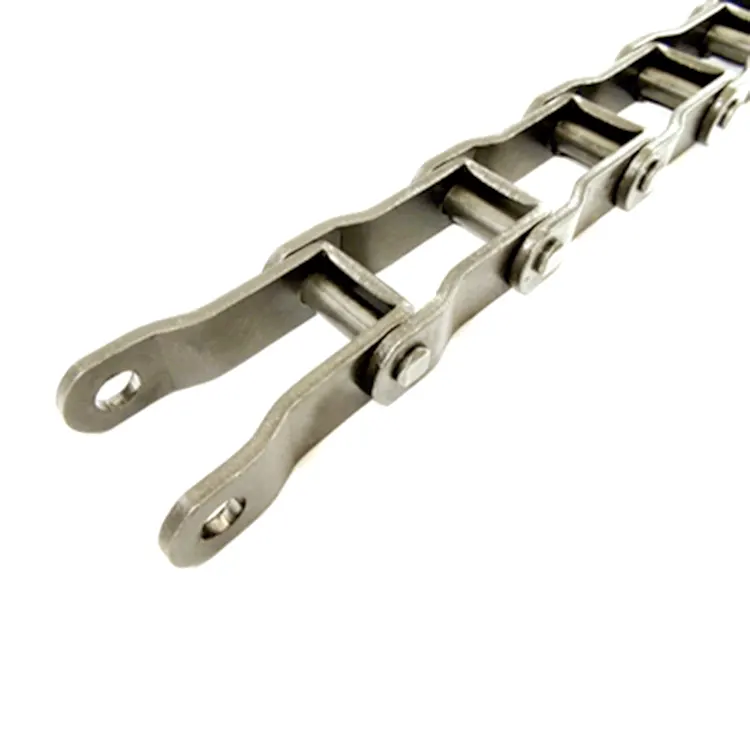
Pintle chains are typically made from high-quality materials to ensure their durability and reliability in heavy-duty industrial applications. Here are the most common materials used to manufacture pintle chains:
- Carbon Steel: Carbon steel is the most common material used for pintle chains. It offers excellent strength and toughness, making it suitable for handling heavy loads and withstanding harsh conditions. Carbon steel pintle chains are cost-effective and widely used in various industries.
- Stainless Steel: Stainless steel pintle chains are preferred for applications where corrosion resistance is critical. Stainless steel contains chromium, which forms a protective oxide layer on the surface, providing excellent resistance to rust and corrosion. These chains are commonly used in food processing, pharmaceutical, and outdoor applications.
- Alloy Steel: Alloy steel pintle chains are formulated with specific alloying elements to enhance their mechanical properties. These chains offer improved strength, toughness, and wear resistance, making them suitable for demanding industrial applications.
- Plastic: In some cases, pintle chains are made from plastic materials, such as engineering-grade plastics. Plastic pintle chains are lightweight, corrosion-resistant, and ideal for applications where metal chains may not be suitable, such as in food handling or cleanroom environments.
The choice of material depends on the specific requirements of the application. For heavy-duty applications with high loads and harsh environments, carbon steel or alloy steel pintle chains are commonly used. In environments where corrosion is a concern, stainless steel pintle chains are preferred. Plastic pintle chains are chosen for their non-metallic properties, making them suitable for specific industries and environments.
In summary, pintle chains are available in various materials, including carbon steel, stainless steel, alloy steel, and plastic. Each material offers specific benefits and characteristics to meet the diverse needs of industrial applications.


editor by CX 2023-10-17