
Product Description
| Item | Different Kind of Cast Chain | Application | Machinery Parts |
| Models | 55,103,C55,CC600,488,462,H78 | Brand | OEM |
| Package | Poly bag, then box, finally poly-wooden case | Port | Any sea port or airport in China |
| Material: | Iron |
|---|---|
| Structure: | Cast Chain |
| Surface Treatment: | Polishing |
| Chain Size: | 1/2"*3/32" |
| Feature: | Fire Resistant, Oil Resistant, Heat Resistant |
| Transport Package: | Poly-Wooden Case |
| Customization: |
Available
| Customized Request |
|---|
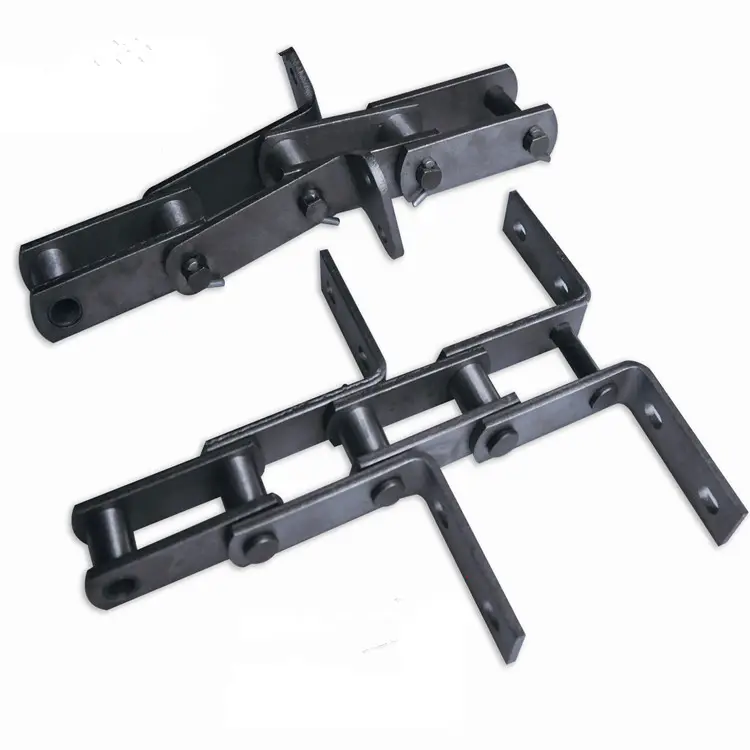
Can pintle chains be used in overhead or inverted applications?
Yes, pintle chains can be used in both overhead and inverted applications, thanks to their unique design and construction. Here’s a more detailed explanation:
Overhead Applications:
In overhead applications, pintle chains are commonly used in conveyor systems where products or materials need to be transported overhead. The open-barrel design of pintle chains allows for excellent articulation and flexibility, enabling them to navigate the curves and sprockets typical in overhead conveyor layouts. The ability to handle shock loads and dynamic forces makes pintle chains suitable for lifting and moving heavy loads in such applications.
Inverted Applications:
In inverted applications, pintle chains are used in conveyor systems where the chain runs underneath the conveying surface. Inverted pintle chains are often utilized in industries like automotive manufacturing, where they can handle the weight of car bodies or other components as they move along the assembly line. The flexibility and load-bearing capacity of pintle chains make them well-suited for these demanding inverted conveyor setups.
Attachments and Load Handling:
In both overhead and inverted applications, the pintle chain’s attachments play a crucial role in securely holding and conveying the products or materials. The attachments are carefully designed to prevent products from falling or shifting during transport, ensuring safety and efficiency in these specialized applications.
Lubrication and Maintenance:
Proper lubrication is vital in overhead and inverted applications to ensure smooth articulation and reduce wear on the chain and its components. Regular maintenance and inspections are essential to identify signs of wear or damage, allowing for timely replacements and preserving the chain’s performance.
Conclusion:
Pintle chains can indeed be used in overhead and inverted applications, thanks to their flexible design, load-bearing capacity, and reliable attachments. Whether it’s lifting heavy loads overhead or moving products underneath the conveyor surface, pintle chains offer a versatile and robust solution for various industrial applications.
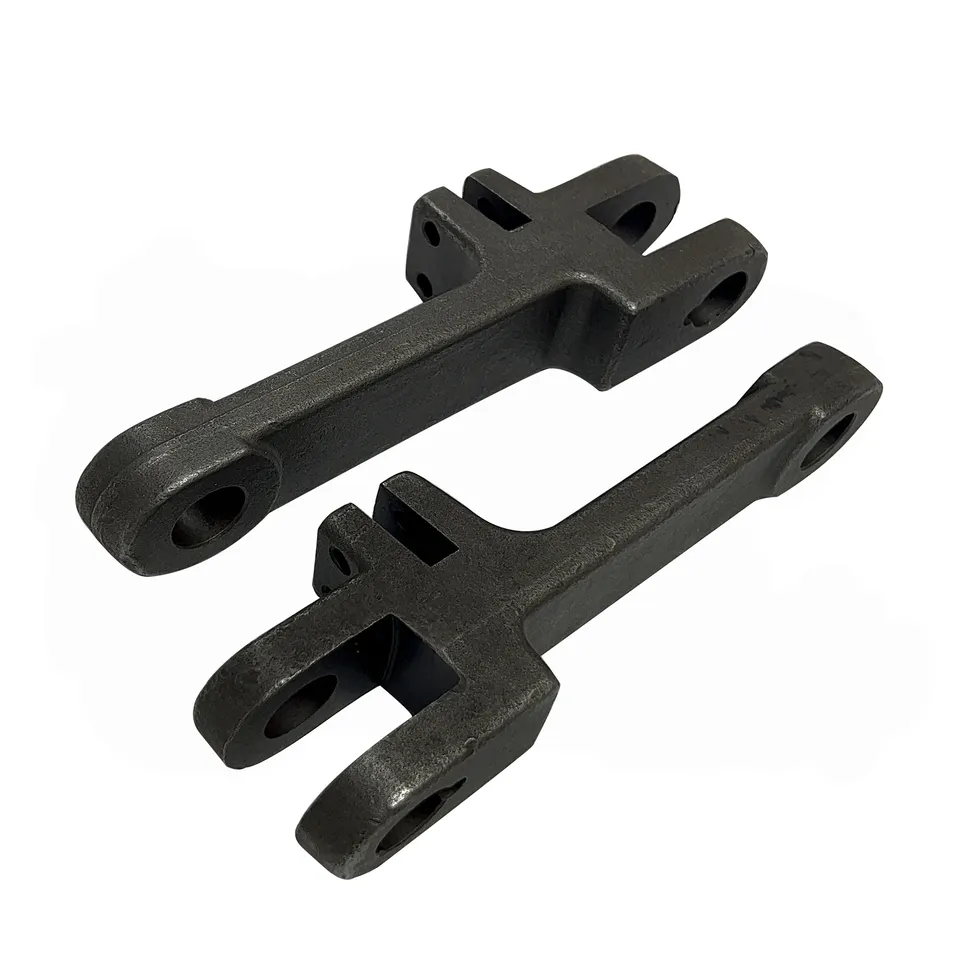
How do pintle chains handle wear and tear in continuous operation?
Pintle chains are designed to handle wear and tear in continuous operation, but their performance and lifespan depend on various factors.
1. Material Quality: The quality of the material used in manufacturing pintle chains significantly affects their wear resistance. High-quality, heat-treated alloy steels are commonly used to improve the chain’s strength and durability.
2. Lubrication: Proper and regular lubrication is essential to reduce friction and wear between the chain’s components. Lubricants help maintain smooth operation and prevent metal-to-metal contact, which can cause accelerated wear.
3. Maintenance: Regular maintenance practices, such as inspecting for wear, cleaning, and re-lubrication, are crucial to extend the chain’s lifespan and ensure reliable performance. Any damaged or worn-out components should be replaced promptly.
4. Load Distribution: Properly designed sprockets and appropriate load distribution along the chain help minimize localized wear and prolong the chain’s life. Uniformly distributing the load prevents excessive stress on specific areas of the chain.
5. Environmental Conditions: The operating environment can also impact wear and tear. Pintle chains used in harsh or abrasive environments may experience faster wear. In such cases, choosing chains with additional protective coatings or materials may be beneficial.
6. Tensioning: Correct tensioning of pintle chains is critical for their performance. Too much tension can lead to accelerated wear, while insufficient tension may cause the chain to jump or skip teeth on the sprockets.
7. Chain Speed: The chain’s speed can affect its wear rate. High-speed applications may cause increased friction and wear, requiring more frequent inspections and maintenance.
In summary, pintle chains can handle wear and tear in continuous operation, provided they are made from high-quality materials, properly lubricated, and maintained regularly. Taking preventive measures, such as proper tensioning and load distribution, can help extend the chain’s lifespan and ensure smooth, reliable operation over time.
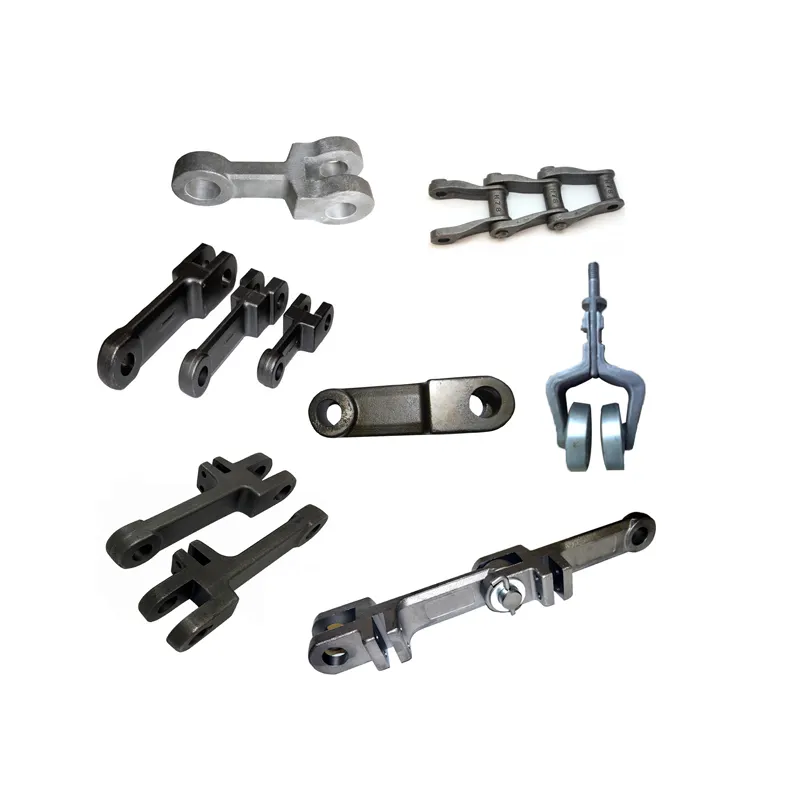
What are the maintenance requirements for pintle chains?
Maintaining pintle chains is essential to ensure their longevity and reliable performance. Here’s a more detailed explanation of the maintenance requirements:
Regular Lubrication:
Proper and regular lubrication is critical for pintle chains to reduce friction and wear between the pins, bushings, and rollers. Use a suitable lubricant that can withstand the operating conditions and temperature. Lubricate the chain at recommended intervals or as needed based on the manufacturer’s guidelines.
Inspection:
Regularly inspect the pintle chain for signs of wear, elongation, and damage. Look for excessive pin wear, loose or damaged attachments, and chain elongation. Address any issues immediately to prevent further damage and downtime.
Cleaning:
Keep the pintle chain clean and free from debris, dirt, and contaminants. Regularly clean the chain using a suitable cleaning agent or solvent to remove any buildup that may affect chain performance and longevity.
Adjustment:
Ensure the pintle chain is properly tensioned and adjusted to the correct slack. Excessive slack can lead to premature wear, while overtightening can cause additional stress on the chain components. Follow the manufacturer’s guidelines for proper tensioning and adjustment.
Replacement of Worn Parts:
If any components of the pintle chain are excessively worn or damaged beyond their useful life, such as pins, bushings, or rollers, replace them promptly with genuine replacement parts from the manufacturer.
Environment Considerations:
Consider the operating environment of the pintle chain. In corrosive or harsh environments, stainless steel or plastic pintle chains may be more suitable to reduce maintenance requirements related to corrosion.
Regular Maintenance Schedule:
Develop a regular maintenance schedule and follow it diligently. Document maintenance activities, including lubrication, inspections, and replacements, to track the chain’s condition and performance over time.
Operator Training:
Train operators and maintenance personnel on proper pintle chain maintenance procedures to ensure they are familiar with the maintenance requirements and best practices.
Conclusion:
Pintle chains require regular maintenance, including proper lubrication, inspection, cleaning, adjustment, and replacement of worn parts. Following a well-defined maintenance schedule and adhering to manufacturer’s guidelines will help extend the chain’s service life, reduce downtime, and ensure safe and efficient operation.


editor by CX 2023-10-23