
Product Description
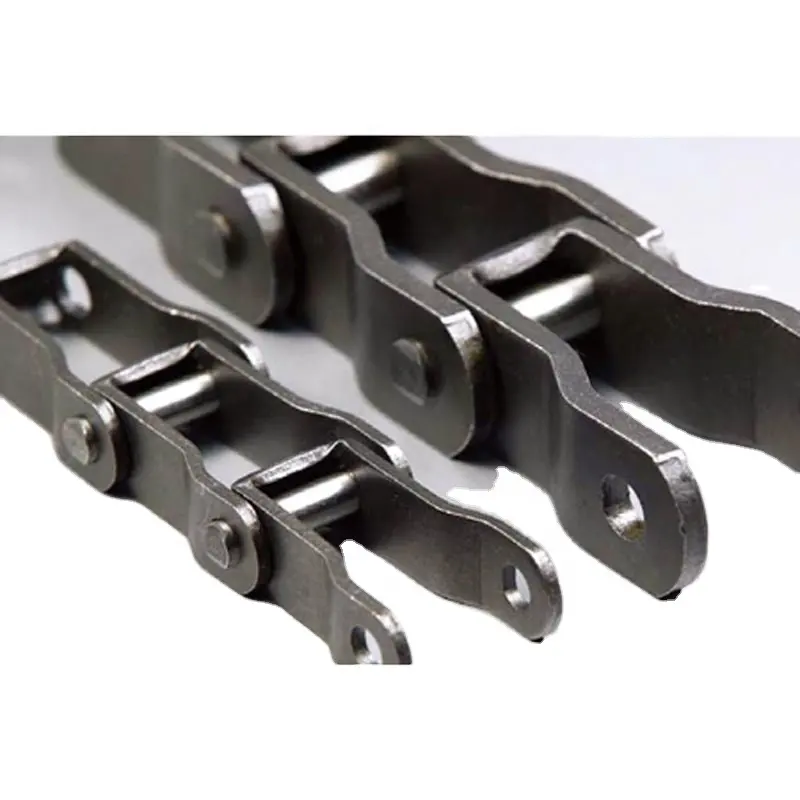
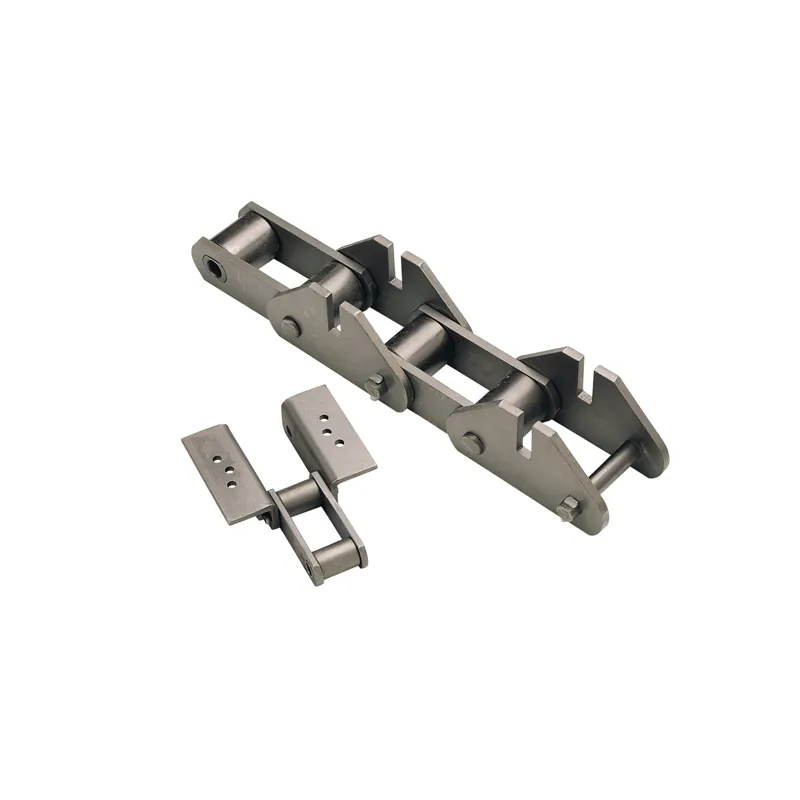
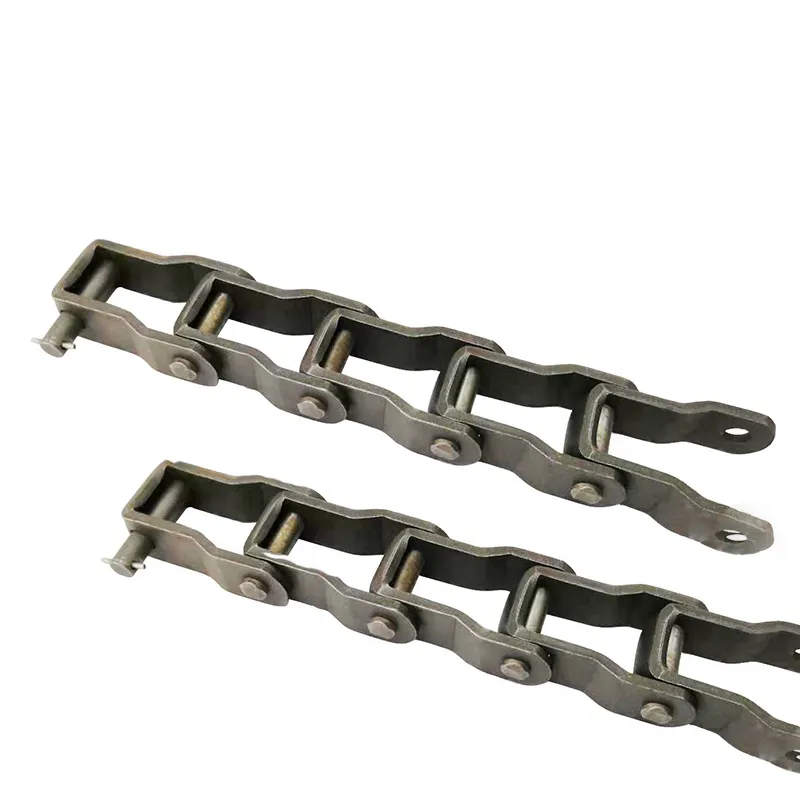
AL662-KG30S Agricultural Steel AL662 Pintle Chain With KG30S Attachment
EVER-POWER steel needle chain is designed for reliability and quality at a very high price. Allied Lock steel needle chain is very suitable for a wide range of applications, such as salt and fertilizer spreaders, double-layer feeders, hay treatment equipment, and other similar conveying systems.
The feature of the CHINAMFG steel pin chain is that all heat-treated parts have 4 pins. The open barrel structure minimizes the contact between the pin surface and the barrel and eliminates the freezing caused by corrosion. Open barrel design elimi-
Make the material accumulate at the root of the sprocket.
This ensures smoother operation, uniform wear of connecting rods, stronger fatigue resistance, and longer service life.
|
Att. No. |
Chain No. |
Dimensions |
||||
|
J |
K |
M |
N |
T |
||
|
KG30S |
AL662 |
2.625 |
3.813 |
.188 |
.344 |
.250 |
Related Products
We also supply sprockets to match your chains.
We specialize in the production of agricultural roller chains, flat-top chains, chains, hollow pin chains, beer filling and packaging line conveyor chains, paver chains, auxiliary sidebar lifting chains, bucket lifting chains (cement mill chains), forged scraper chains, automobile industry loading chains, metallurgical industry loading chains, mining machinery transport chains, trencher chains, sugar factory chains, double flexible chains, etc. Welcome to call and email for a consultation!
Contact us: We care about our valued buyers; if you have any questions, our Customer Service staff will gladly help you. We try our best to reply to your emails as soon as possible; however, due to the high volume of daily incoming emails and the time zone difference, we may not be able to reply immediately. Please allow 24 business hours for us to respond.
We are specialized in producing Agricultural Roller Chain, Flat Top Chain, Track Chain, Hollow Pin Chain, Conveyor Chain for Beer Filling and Packing Line, Paver Chain, Attachment Sidebar Elevator Chain, Bucket Elevator Chain (Cement Mill Chain), Forging Scraper Chains, Loading Chain for Automobile Industry, Loading Chain for Metallurgical Industry, Conveyor Chain for Mine Machinery, Trencher Chain, Sugar Mill Chain, Double Flex Chain, etc. Welcome calls and emails to inquiries!
Related Products
Company
| Usage: | Transmission Chain, Drag Chain, Conveyor Chain, Dedicated Special Chain |
|---|---|
| Material: | Iron |
| Surface Treatment: | Oil Blooming |
| Feature: | Oil Resistant |
| Chain Size: | 1/2"*3/32" |
| Structure: | Steel Pintle Chain |
| Samples: |
US$ 9999/Piece
1 Piece(Min.Order) | |
|---|
How do pintle chains handle misalignment between sprockets?
Pintle chains are designed to handle a certain degree of misalignment between sprockets, providing some flexibility in their operation. The ability to handle misalignment is essential in many industrial applications, where perfect alignment between sprockets may be challenging to maintain due to various factors.
Flexibility and Articulation:
Pintle chains are constructed with interlocking link plates and pins, which allow for some articulation between the chain links. This design enables the chain to bend and flex as it moves around the sprockets, accommodating slight misalignments without causing undue stress on the chain.
Compensating for Misalignment:
When pintle chains encounter misalignment between sprockets, they can adjust their shape slightly to compensate for the deviation. This feature helps to reduce wear on the chain, sprockets, and other components of the power transmission system.
Tolerance Limits:
However, it’s essential to note that pintle chains have specific tolerance limits for misalignment. Excessive misalignment beyond these limits can lead to premature wear and failure of the chain. Therefore, proper alignment during installation and regular maintenance to check for alignment issues are necessary to ensure optimal performance and longevity of the chain.
Guidelines for Proper Alignment:
To achieve the best performance and avoid premature wear, consider the following guidelines for proper chain alignment:
- Make sure sprockets are precisely aligned on their respective shafts.
- Check that the shafts supporting the sprockets are parallel and at the correct distance apart.
- Use appropriate tools and measurements to verify sprocket alignment during installation.
- Regularly inspect and adjust sprocket alignment if misalignment issues arise during operation.
Benefits of Proper Alignment:
Properly aligned pintle chains offer several benefits:
- Reduced Wear: Proper alignment minimizes wear on the chain and sprockets, increasing their lifespan.
- Smooth Operation: Optimal alignment ensures smooth and reliable chain movement, reducing the risk of chain jamming or skipping.
- Improved Efficiency: Correct alignment contributes to the overall efficiency of the power transmission system, reducing energy losses and improving performance.
In summary, pintle chains can handle some misalignment between sprockets due to their flexible and articulating design. However, maintaining proper alignment within the recommended tolerance limits is crucial for ensuring the longevity and reliable performance of pintle chains in industrial applications.
Can pintle chains be used in wastewater treatment and sewage systems?
Yes, pintle chains can be used in wastewater treatment and sewage systems for various applications. These chains are designed to handle heavy loads, continuous operation, and harsh environmental conditions, making them suitable for use in such demanding settings. Some of the specific applications of pintle chains in wastewater treatment and sewage systems include:
- Conveyor Systems: Pintle chains are used in conveyor systems to transport solids, sludge, or other materials through the treatment process. They can handle heavy loads and resist corrosion, making them suitable for moving abrasive and corrosive materials.
- Bar Screens and Rakes: Pintle chains are commonly used in bar screens and rakes that remove large debris and solids from wastewater. The robust design of pintle chains allows them to withstand the forces involved in pulling and lifting debris out of the water.
- Clarifiers and Thickeners: Pintle chains are used in clarifiers and thickeners to help separate solids from liquid wastewater. These chains operate under high torque and slow speeds to ensure effective separation.
- Aeration Systems: Pintle chains can be found in aeration systems where they are used to support and move diffusers or aerators that introduce air into the wastewater to facilitate biological treatment.
- Sludge Dewatering: Pintle chains are utilized in sludge dewatering equipment, such as belt filter presses, to squeeze and remove water from sludge before disposal.
- Scrapers and Skimmers: Pintle chains are employed in scrapers and skimmers that remove floating debris and scum from the water’s surface in sewage treatment basins.
When using pintle chains in wastewater treatment and sewage systems, it is crucial to select the appropriate chain material and lubrication to ensure resistance to corrosion and chemical exposure. Additionally, regular maintenance and inspection are essential to prevent chain wear and ensure continuous and reliable operation in these critical applications.
Can pintle chains be used in high-temperature environments?
Yes, pintle chains can be used in high-temperature environments, but the specific temperature range they can withstand depends on the material they are made of. Here’s a more detailed explanation:
Material Selection: Pintle chains are available in various materials, including carbon steel, stainless steel, alloy steel, and plastic. Each material has its temperature limits:
- Carbon Steel: Standard carbon steel pintle chains have a temperature range of around 150°C to 400°C (302°F to 752°F). They may lose some strength at higher temperatures and may not be suitable for extremely high-temperature applications.
- Stainless Steel: Stainless steel pintle chains offer better heat resistance and can handle temperatures ranging from approximately 200°C to 600°C (392°F to 1112°F). The exact temperature range depends on the specific grade of stainless steel used.
- Alloy Steel: Alloy steel pintle chains may have higher temperature capabilities compared to standard carbon steel chains, but the temperature range can vary based on the specific alloy composition.
- Plastic: Plastic pintle chains, especially those made from high-temperature engineering plastics, can handle temperatures up to around 250°C (482°F) and are suitable for some high-temperature applications.
Application Considerations: When using pintle chains in high-temperature environments, it’s essential to consider other factors as well:
- Lubrication: High temperatures can accelerate chain wear, so proper lubrication is crucial to reduce friction and wear. Choose lubricants that can withstand the operating temperature.
- Thermal Expansion: Materials can expand at high temperatures, so account for thermal expansion in the design of the chain and system.
- Application Limitations: Even with suitable materials, there may be limitations on the application’s speed, load capacity, and continuous operation time at high temperatures. Consult the manufacturer’s documentation for specific temperature-related limitations.
Conclusion: Pintle chains made from appropriate materials, such as stainless steel or high-temperature plastics, can be used in high-temperature environments. It’s essential to select the right material and consider other factors like lubrication and thermal expansion to ensure the pintle chain performs reliably and safely in these conditions.


editor by CX 2023-11-27