
Product Description
Fast Delivery 667xh Steel Pintle Conveyor Chain
Product Description
Material: Alloy steel & Stainless steel
Surface treatment: Shot peening / Zinc-plated / Nickel-plated / Dacromet-plated
| Product name | Fast Delivery 667xh Steel Pintle Conveyor Chain |
| Materials Available | 1. Stainless Steel: SS304, SS316, etc |
| 2. Alloy Steel: 45Mn, 42CrMo, 20CrMo, etc | |
| 3. OEM according to your request | |
| Surface Treatment | Shot peening, Blackening, Oxygenation, Polishing, Zinc-plated, Nickel-plated, Anodized, etc. |
| Characteristic | Fire Resistant, Oil Resistant, Heat Resistant |
| Design criterion | ISO DIN ANSI & Customer’s Drawing |
| Size | Customer’s Drawing & ISO standard |
| Package | Wooden Case / Container and pallet, or made-to-order |
| Certificate | ISO9001: 2008 |
| Advantage | First quality, Best service, Competitive price, Fast delivery |
| Delivery Time | 20 days for samples. 45 days for official order. |
Detailed Photos
View more products,please click here…
Company Profile
/* January 22, 2571 19:08:37 */!function(){function s(e,r){var a,o={};try{e&&e.split(“,”).forEach(function(e,t){e&&(a=e.match(/(.*?):(.*)$/))&&1
| Material: | Carbon Steel |
|---|---|
| Structure: | Conveyor Chain |
| Surface Treatment: | Oil Blooming |
| Chain Size: | 667xh,88K |
| Feature: | Heat Resistant |
| Sample: | for Free |
| Samples: |
US$ 0/Meter
1 Meter(Min.Order) | |
|---|
| Customization: |
Available
| Customized Request |
|---|
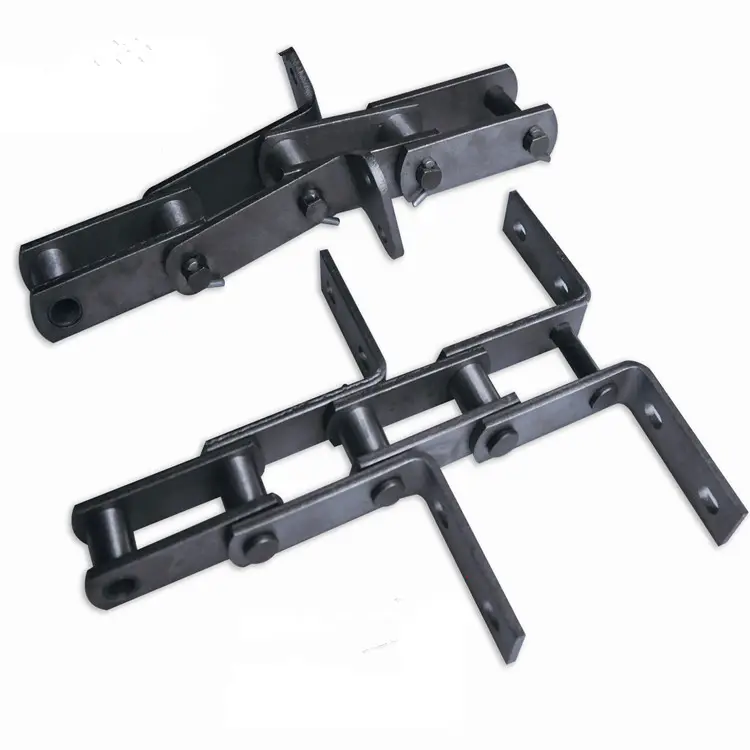
Can pintle chains be used in overhead or inverted applications?
Yes, pintle chains can be used in both overhead and inverted applications, thanks to their unique design and construction. Here’s a more detailed explanation:
Overhead Applications:
In overhead applications, pintle chains are commonly used in conveyor systems where products or materials need to be transported overhead. The open-barrel design of pintle chains allows for excellent articulation and flexibility, enabling them to navigate the curves and sprockets typical in overhead conveyor layouts. The ability to handle shock loads and dynamic forces makes pintle chains suitable for lifting and moving heavy loads in such applications.
Inverted Applications:
In inverted applications, pintle chains are used in conveyor systems where the chain runs underneath the conveying surface. Inverted pintle chains are often utilized in industries like automotive manufacturing, where they can handle the weight of car bodies or other components as they move along the assembly line. The flexibility and load-bearing capacity of pintle chains make them well-suited for these demanding inverted conveyor setups.
Attachments and Load Handling:
In both overhead and inverted applications, the pintle chain’s attachments play a crucial role in securely holding and conveying the products or materials. The attachments are carefully designed to prevent products from falling or shifting during transport, ensuring safety and efficiency in these specialized applications.
Lubrication and Maintenance:
Proper lubrication is vital in overhead and inverted applications to ensure smooth articulation and reduce wear on the chain and its components. Regular maintenance and inspections are essential to identify signs of wear or damage, allowing for timely replacements and preserving the chain’s performance.
Conclusion:
Pintle chains can indeed be used in overhead and inverted applications, thanks to their flexible design, load-bearing capacity, and reliable attachments. Whether it’s lifting heavy loads overhead or moving products underneath the conveyor surface, pintle chains offer a versatile and robust solution for various industrial applications.
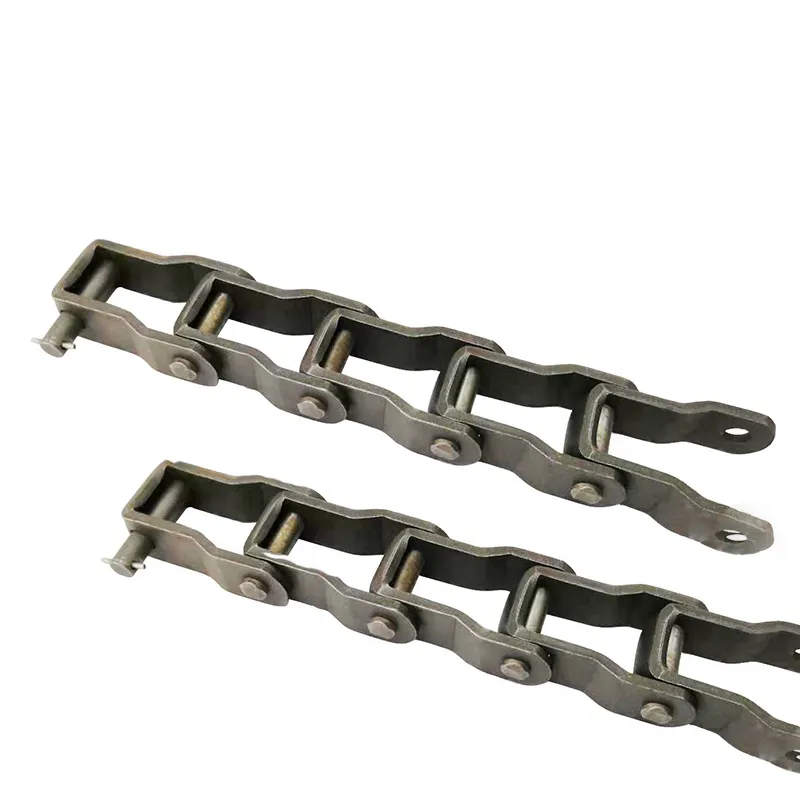
Can pintle chains be used in material handling and conveyor systems?
Yes, pintle chains are commonly used in material handling and conveyor systems across various industries. Their robust design and versatile characteristics make them well-suited for handling bulk materials, heavy loads, and challenging operating conditions in conveyor applications.
Advantages in Material Handling:
Pintle chains offer several advantages in material handling and conveyor systems:
- High Strength: Pintle chains are manufactured using durable materials, such as carbon steel or stainless steel, providing excellent strength and load-carrying capacity. This allows them to handle heavy loads and withstand the demands of material handling applications.
- Flexibility: Pintle chains can flex and articulate, enabling them to navigate through conveyor curves and various conveyor layouts. This flexibility allows for smooth material flow and efficient operation.
- Abrasion Resistance: The materials used in pintle chains are often chosen for their resistance to wear and abrasion, which is crucial in material handling applications where chains may come into contact with abrasive materials.
- Reliability: Pintle chains have a strong and reliable design, reducing the risk of chain failure and unplanned downtime in conveyor systems.
- Wide Range of Attachments: Pintle chains can be equipped with a variety of attachments, such as scrapers, cleats, or buckets, to suit specific material handling requirements.
Applications:
Pintle chains find applications in various material handling and conveyor systems, including but not limited to:
- Mining: Pintle chains are used in mining operations to transport bulk materials like coal, ore, or aggregates from one location to another.
- Agriculture: In agricultural settings, pintle chains are utilized in conveyor systems to handle crops, grains, and other agricultural products.
- Construction: Pintle chains are employed in construction sites to move construction materials, such as sand, gravel, and concrete.
- Waste Management: Pintle chains play a role in waste management and recycling systems to handle and sort waste materials.
- Food Processing: Pintle chains are used in food processing facilities to convey food products during various stages of production.
- Automotive: Pintle chains are found in automotive manufacturing to move components along assembly lines.
Proper Maintenance:
To ensure the longevity and optimal performance of pintle chains in material handling and conveyor systems, regular maintenance is essential. Regular inspection, lubrication, and timely replacement of worn-out components are crucial steps in maintaining the reliability of the chain and conveyor system as a whole.
In conclusion, pintle chains are a popular choice for material handling and conveyor systems due to their strength, flexibility, and reliability. They are widely used in diverse industries to facilitate the movement of various materials efficiently and effectively.

How does a pintle chain differ from other types of conveyor chains?
A pintle chain differs from other types of conveyor chains in its unique design and specific use cases. Here’s a more detailed explanation of the differences between pintle chains and other conveyor chains:
- Pintle Chain Design: Pintle chains have extended pins (pintles) that protrude from the roller link plates. These pintles engage with the sprockets, providing a positive drive mechanism. The extended pins give pintle chains a distinct appearance compared to standard roller chains.
- Use of Sprockets: Pintle chains use sprockets with larger pitch diameters to accommodate the extended pintles. The engagement between the pintles and sprocket teeth creates a reliable and positive drive for the conveyor system.
- Applications: Pintle chains are commonly used in heavy-duty and high-load applications, especially in industries like agriculture, mining, construction, and wood processing. They excel in handling bulk materials and tough conditions.
- Conveyor Configurations: While pintle chains are suitable for straight conveyor layouts, they can also handle curved conveyor paths and turns, making them versatile for various conveyor system designs.
- Attachment Options: Pintle chains can be equipped with various attachments and flights to suit specific material handling requirements, such as moving bulk materials at different inclines or elevations.
- Construction Material: Pintle chains are typically made from high-strength materials like carbon steel or stainless steel to withstand heavy loads and resist wear in demanding industrial environments.
On the other hand, standard roller chains have evenly spaced pins and are commonly used in less demanding applications where precision and speed are not critical. They are suitable for conveying lighter loads and are commonly found in industries like automotive, packaging, and general manufacturing.
In summary, the key differences between pintle chains and other conveyor chains lie in their design, use of sprockets, specific applications, conveyor configurations, attachment options, and construction materials. Pintle chains are preferred for heavy-duty applications requiring positive drive, whereas standard roller chains are suitable for lighter-duty applications with less stringent requirements.


editor by CX 2024-04-19