
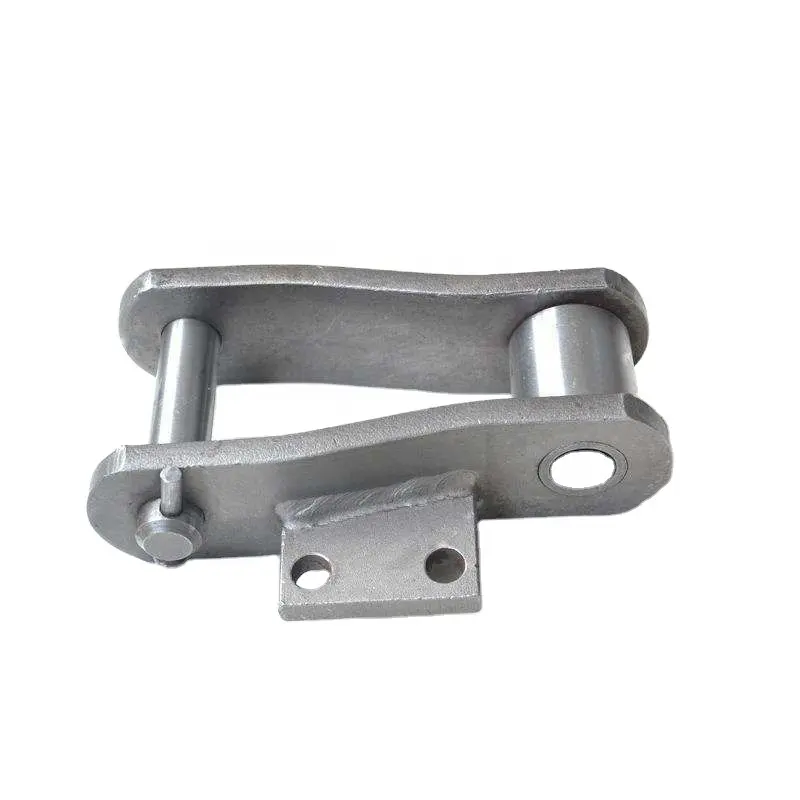
Product Description
| MODEL | P | T | t | h | H | b | d |
| S16 | 100 | 30 | 15 | 27 | 8 | 16 | 14 |
| P102-W385 | 102 | 30 | 13 | 27 | 9 | 14 | 14 |
| RUS270 | 123 | 50 | 24 | 46 | 16 | 25 | 20 20.5 |
| Z20 | 125 | 50 | 24 | 48 | 15 | 26 | 20 |
| P140 | 140 | 78 | 31 | 50 | 19 | 32 | 25 |
| Z30 | 142 | 64 | 28.5 | 50 | 18 | 30.5 | 25 |
| 150 | 150 | 38 | 18 | 40 | 10 | 20 | 18 |
| P155 | 155 | 79 | 39.5 | 63.5 | 36 | 40.5 | 30 |
| Z25 | 160 | 58 | 28 | 55 | 18 | 30 | 25 |
| YD310 | 200 | 43 | 20 | 47 | 12 | 22 | 20 |
| A-3634 | 216 | 64 | 26 | 72 | 20 | 28.5 | 35 |
| X63 | 250 | 60 | 28 | 70 | 20 | 30 | 25 |
| P260 | 260 | 72 | 32 | 75 | 20 | 34 | 32 |
ZheJiang CHINAMFG Precision Casting and Forging Inc. was established in 2003, covering an area of 40,000 square meter with 300 employees. In 2571, the company passed the quality management system certification of GB/T 19001-2016 and ISO 9001:2015, and has a number of invention patents.It is a national high-tech enterprise.
Our main products are bucket teeth,side teeth,bucket adapter for excavator and loader; Forged pipe coupling for concrete pump ; Drop forged chain for scraper conveyor, etc. Other casting and forging parts canalsobecustomized accordingto customer drawings. The main materials are alloy steel, high manganese steel, gray iron, ductile iron, etc.
Our company can produce casting range in 0.1kg-2tons, forging range in 0.1kg-100kgs, casting and forging annual capacity of 10,000tons.From productdesign, mold development to heattreatment, machining and spraying, we provide the whole processof internal manufacturing to better control the cost and quality.
ZheJiang Plus Import and Export Trading Co., Ltd. was established in 2571, is Wanxin’s subsidiary, mainly responsible for marketing and export.
FAQ
Q1.Are you a manufacturer or a trading company?
we are totally manufacturer of machinery parts.
Q2.Can i get samples for checking the quality?
we can provide free samples,but you need to pay the freight.
Q3.What’s your MOQ?
For normal prodcuts,we don’t have MOQ.
For customerized products,we will tell you MOQ based on your drawing.
Q4.What’s your delivery time?
it’s about 7-45 days based on your quantity.
Q5.What’s your payment terms?
AmountAmount≥5000USD,T/T 30% as deposit,balance before delivery.
| Material: | Alloy |
|---|---|
| Structure: | Forging Chain |
| Surface Treatment: | Polishing |
| Chain Size: | 142 |
| Feature: | Heat Resistant |
| Process: | Forging |
| Samples: |
US$ 100/Piece
1 Piece(Min.Order) | |
|---|
| Customization: |
Available
| Customized Request |
|---|
Can pintle chains be used in forestry and timber processing equipment?
Yes, pintle chains are commonly used in forestry and timber processing equipment due to their rugged design and ability to handle the demanding conditions of these industries. Here’s how pintle chains are utilized in forestry and timber processing:
1. Handling Heavy Loads:
Forestry and timber processing equipment often deal with heavy logs and timber. Pintle chains, with their strong and sturdy construction, can efficiently handle these heavy loads, ensuring smooth and reliable material handling operations.
2. Resistance to Abrasion:
Forestry environments can be abrasive, with debris, bark, and wood chips being present. Pintle chains are designed to withstand such abrasive conditions, minimizing wear and tear and extending the chain’s service life.
3. Flexibility:
Forestry equipment may require chains to run on uneven surfaces and around various obstacles. Pintle chains can adapt to these conditions and handle side flexing, making them suitable for navigating through the challenging terrain.
4. Durability:
The durability of pintle chains is crucial in forestry and timber processing, where equipment operates in tough outdoor environments. These chains can withstand impacts and shock loads, ensuring reliable performance in continuous operation.
5. Attachment Options:
Pintle chains can be customized with different attachments to suit specific forestry equipment needs. Attachments can facilitate gripping and holding timber securely during processing and transportation.
6. Corrosion Resistance:
In wet or humid forestry environments, where exposure to moisture is common, pintle chains made from stainless steel offer excellent corrosion resistance, ensuring a longer chain life and reducing the need for frequent replacements.
7. Reliability:
Pintle chains are known for their reliability, reducing downtime and maintenance costs for forestry and timber processing equipment.
Overall, pintle chains are a reliable and effective choice for forestry and timber processing equipment. Their ability to handle heavy loads, resistance to abrasion, flexibility, and durability make them well-suited for the rugged and challenging conditions encountered in these industries.
What are the benefits of using a stainless steel pintle chain in specific environments?
Stainless steel pintle chains offer several advantages when used in specific environments that require corrosion resistance, sanitation, and durability. Some of the key benefits of using stainless steel pintle chains include:
- Corrosion Resistance: Stainless steel is highly resistant to corrosion, making it suitable for environments with high humidity, moisture, or exposure to chemicals. It prevents rusting and ensures the chain’s longevity even in harsh conditions.
- Sanitary: In industries such as food processing, pharmaceuticals, and medical devices, maintaining a hygienic environment is crucial. Stainless steel pintle chains are easy to clean and sanitize, meeting strict hygiene standards and reducing the risk of contamination.
- High Strength: Stainless steel has excellent strength and load-carrying capacity, making it suitable for heavy-duty applications in various industries.
- Temperature Resistance: Stainless steel pintle chains can withstand a wide range of temperatures, making them suitable for both high-temperature and low-temperature applications.
- Low Maintenance: Due to their corrosion resistance and durability, stainless steel pintle chains require less maintenance and have a longer service life compared to chains made from other materials.
- Chemical Resistance: Stainless steel is resistant to various chemicals, making it suitable for applications where the chain may come into contact with corrosive substances.
- Reliability: Stainless steel pintle chains maintain their performance and structural integrity even in challenging environments, providing a reliable conveyor solution for critical applications.
Stainless steel pintle chains are commonly used in industries such as food and beverage, pharmaceuticals, chemical processing, and outdoor applications where traditional carbon steel chains may not be suitable due to corrosion concerns. Their ability to withstand harsh environments while maintaining cleanliness and durability makes them a preferred choice in specific industries.

How does a pintle chain differ from other types of conveyor chains?
A pintle chain differs from other types of conveyor chains in its unique design and specific use cases. Here’s a more detailed explanation of the differences between pintle chains and other conveyor chains:
- Pintle Chain Design: Pintle chains have extended pins (pintles) that protrude from the roller link plates. These pintles engage with the sprockets, providing a positive drive mechanism. The extended pins give pintle chains a distinct appearance compared to standard roller chains.
- Use of Sprockets: Pintle chains use sprockets with larger pitch diameters to accommodate the extended pintles. The engagement between the pintles and sprocket teeth creates a reliable and positive drive for the conveyor system.
- Applications: Pintle chains are commonly used in heavy-duty and high-load applications, especially in industries like agriculture, mining, construction, and wood processing. They excel in handling bulk materials and tough conditions.
- Conveyor Configurations: While pintle chains are suitable for straight conveyor layouts, they can also handle curved conveyor paths and turns, making them versatile for various conveyor system designs.
- Attachment Options: Pintle chains can be equipped with various attachments and flights to suit specific material handling requirements, such as moving bulk materials at different inclines or elevations.
- Construction Material: Pintle chains are typically made from high-strength materials like carbon steel or stainless steel to withstand heavy loads and resist wear in demanding industrial environments.
On the other hand, standard roller chains have evenly spaced pins and are commonly used in less demanding applications where precision and speed are not critical. They are suitable for conveying lighter loads and are commonly found in industries like automotive, packaging, and general manufacturing.
In summary, the key differences between pintle chains and other conveyor chains lie in their design, use of sprockets, specific applications, conveyor configurations, attachment options, and construction materials. Pintle chains are preferred for heavy-duty applications requiring positive drive, whereas standard roller chains are suitable for lighter-duty applications with less stringent requirements.


editor by CX 2023-12-12