
Product Description
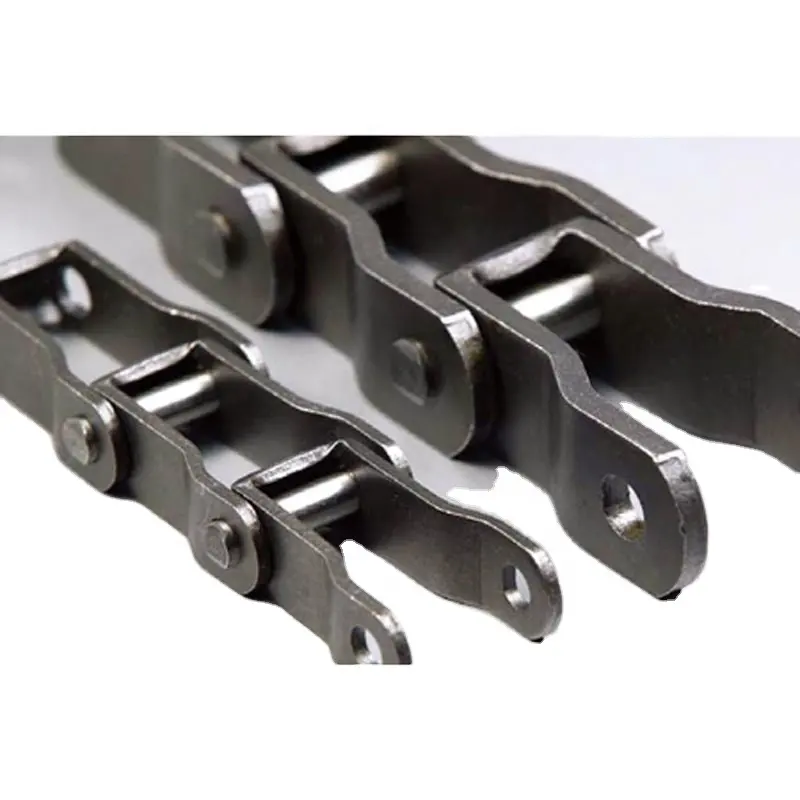
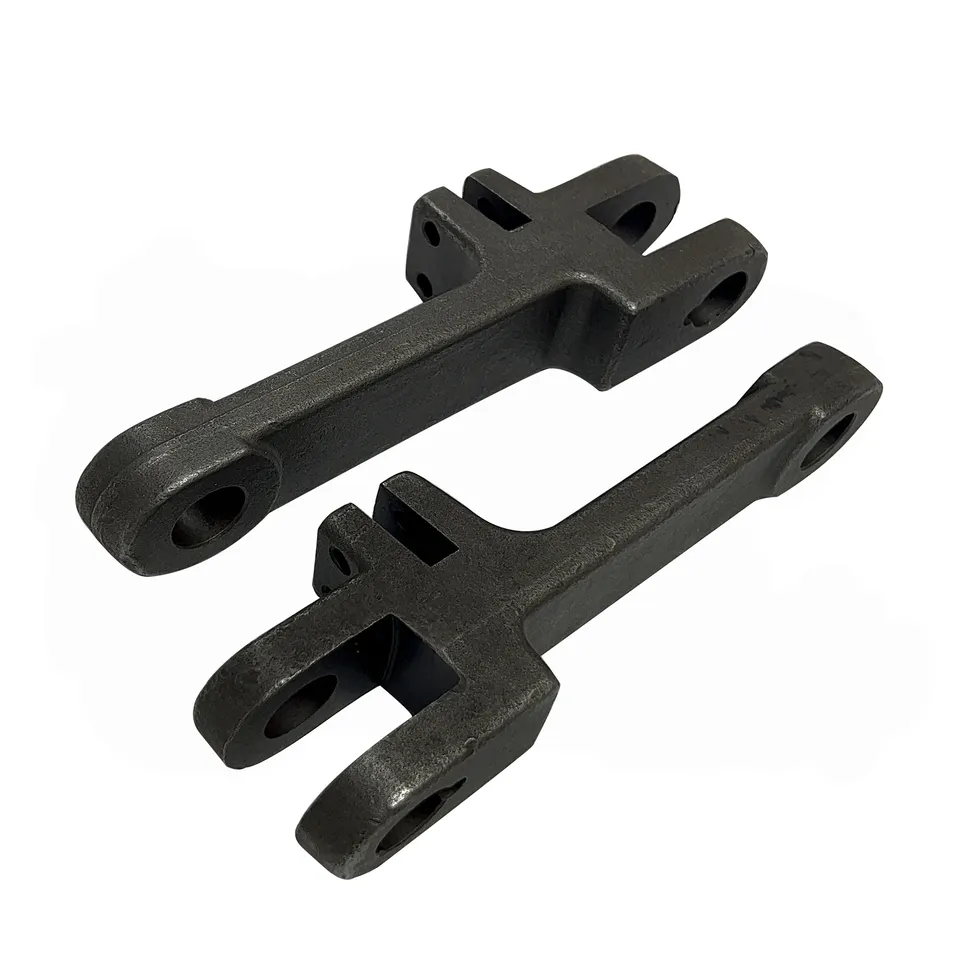
667j Steel Pintle Conveyor Chain for Industry Area
Product Description
1. Chain Material: Alloy steel & Stainless steel
2. Chain Surface Treatment: Shot peening & Blackening & Bluing
3. Chain Size: 662, 667H, 667X, 667XH, 667K, 667J, 88K, 88C
| Product name | 667j Steel Pintle Conveyor Chain for Industry Area |
| Materials Available | 1. Stainless Steel: SS304, SS316, etc |
| 2. Alloy Steel: 45Mn, 42CrMo, 20CrMo, etc | |
| 3. OEM according to your request | |
| Surface Treatment | Shot peening, Blackening, Oxygenation, Polishing, Zinc-plated, Nickel-plated, Anodized, etc. |
| Characteristic | Fire Resistant, Oil Resistant, Heat Resistant |
| Design criterion | ISO DIN ANSI & Customer’s Drawing |
| Size | Customer’s Drawing & ISO standard |
| Package | Wooden Case / Container and pallet, or made-to-order |
| Certificate | ISO9001: 2008 |
| Advantage | First quality, Best service, Competitive price, Fast delivery |
| Delivery Time | 20 days for samples. 45 days for official order. |
Detailed Photos
View more products,please click here…
Company Profile
| Application: | Marine, Mining Equipment, Agricultural Machinery |
|---|---|
| Surface Treatment: | Shot Peening |
| Structure: | Oil Blooming |
| Material: | Alloy |
| Sample: | for Free |
| Transport Package: | Plywood Case |
| Samples: |
US$ 0/Meter
1 Meter(Min.Order) | |
|---|
| Customization: |
Available
| Customized Request |
|---|
How do pintle chains handle misalignment between sprockets?
Pintle chains are designed to handle a certain degree of misalignment between sprockets, providing some flexibility in their operation. The ability to handle misalignment is essential in many industrial applications, where perfect alignment between sprockets may be challenging to maintain due to various factors.
Flexibility and Articulation:
Pintle chains are constructed with interlocking link plates and pins, which allow for some articulation between the chain links. This design enables the chain to bend and flex as it moves around the sprockets, accommodating slight misalignments without causing undue stress on the chain.
Compensating for Misalignment:
When pintle chains encounter misalignment between sprockets, they can adjust their shape slightly to compensate for the deviation. This feature helps to reduce wear on the chain, sprockets, and other components of the power transmission system.
Tolerance Limits:
However, it’s essential to note that pintle chains have specific tolerance limits for misalignment. Excessive misalignment beyond these limits can lead to premature wear and failure of the chain. Therefore, proper alignment during installation and regular maintenance to check for alignment issues are necessary to ensure optimal performance and longevity of the chain.
Guidelines for Proper Alignment:
To achieve the best performance and avoid premature wear, consider the following guidelines for proper chain alignment:
- Make sure sprockets are precisely aligned on their respective shafts.
- Check that the shafts supporting the sprockets are parallel and at the correct distance apart.
- Use appropriate tools and measurements to verify sprocket alignment during installation.
- Regularly inspect and adjust sprocket alignment if misalignment issues arise during operation.
Benefits of Proper Alignment:
Properly aligned pintle chains offer several benefits:
- Reduced Wear: Proper alignment minimizes wear on the chain and sprockets, increasing their lifespan.
- Smooth Operation: Optimal alignment ensures smooth and reliable chain movement, reducing the risk of chain jamming or skipping.
- Improved Efficiency: Correct alignment contributes to the overall efficiency of the power transmission system, reducing energy losses and improving performance.
In summary, pintle chains can handle some misalignment between sprockets due to their flexible and articulating design. However, maintaining proper alignment within the recommended tolerance limits is crucial for ensuring the longevity and reliable performance of pintle chains in industrial applications.

What are the limitations of using pintle chains in certain applications?
Pintle chains, while versatile and suitable for many industrial applications, do have some limitations that may affect their use in certain situations. These limitations include:
- Speed: Pintle chains are not ideal for high-speed applications. Their design and construction may limit the maximum speed they can operate at without experiencing excessive wear and fatigue.
- Precision: Pintle chains may not provide the same level of precision as other types of conveyor chains. In applications where precise positioning or indexing is critical, pintle chains might not be the best choice.
- Noise and Vibration: Pintle chains can produce more noise and vibration compared to other types of chains, which could be a concern in applications requiring quiet and smooth operation.
- Wear: While pintle chains are designed to be durable, they may experience more wear in certain conditions, such as when handling abrasive materials or operating in dirty and harsh environments.
- Complexity: Pintle chains have a more intricate design compared to standard roller chains, which can make them harder to assemble and disassemble, potentially increasing maintenance time and costs.
- Chemical Exposure: Pintle chains made of certain materials may not be suitable for applications involving exposure to aggressive chemicals or corrosive substances.
Despite these limitations, pintle chains remain a popular choice for many industrial applications due to their strength, durability, and versatility. It’s essential to carefully consider the specific requirements of the application and assess whether the characteristics of pintle chains align with the operational demands.
Can pintle chains be repaired or must they be completely replaced?
Pintle chains can often be repaired, but the extent of the repair depends on the level of wear or damage they have sustained. Here’s a more detailed explanation:
Minor Repairs:
If the pintle chain has minor issues, such as a few damaged links, bent pins, or loose attachments, it may be possible to perform minor repairs. These repairs may involve replacing individual damaged links or attachments, straightening bent pins, or adjusting the chain tension.
Replacement of Components:
If certain components of the pintle chain, such as pins, bushings, or rollers, are excessively worn or damaged, they can be replaced individually with genuine replacement parts from the manufacturer. This can extend the chain’s life and save on costs compared to replacing the entire chain.
Complete Replacement:
In cases where the pintle chain has suffered significant wear, elongation, or damage across its entire length, or if there are structural issues compromising the chain’s integrity, it may be necessary to replace the entire chain. Completely replacing the chain ensures optimal performance and reliability.
Professional Evaluation:
It’s essential to have a qualified technician or maintenance personnel assess the condition of the pintle chain to determine if repair is feasible or if replacement is the better option. They can identify the extent of wear or damage and recommend the most appropriate course of action.
Preventive Maintenance:
To minimize the need for extensive repairs or replacement, regularly scheduled preventive maintenance, including lubrication, inspection, and adjustment, is crucial. Preventive maintenance can help identify issues early on, allowing for timely repairs and avoiding further damage.
Conclusion:
In summary, pintle chains can often be repaired, especially if the damage is localized or minor. Replacement of individual components can also be done to extend the chain’s life. However, in cases of extensive wear or damage, complete replacement may be necessary for optimal performance and safety. Regular preventive maintenance is key to identifying and addressing issues early, reducing the likelihood of major repairs or premature replacement.


editor by CX 2023-11-01