
Product Description
| MODEL | P | T | t | h | H | b | d |
| S16 | 100 | 30 | 15 | 27 | 8 | 16 | 14 |
| P102-W385 | 102 | 30 | 13 | 27 | 9 | 14 | 14 |
| RUS270 | 123 | 50 | 24 | 46 | 16 | 25 | 20 20.5 |
| Z20 | 125 | 50 | 24 | 48 | 15 | 26 | 20 |
| P140 | 140 | 78 | 31 | 50 | 19 | 32 | 25 |
| Z30 | 142 | 64 | 28.5 | 50 | 18 | 30.5 | 25 |
| 150 | 150 | 38 | 18 | 40 | 10 | 20 | 18 |
| P155 | 155 | 79 | 39.5 | 63.5 | 36 | 40.5 | 30 |
| Z25 | 160 | 58 | 28 | 55 | 18 | 30 | 25 |
| YD310 | 200 | 43 | 20 | 47 | 12 | 22 | 20 |
| A-3634 | 216 | 64 | 26 | 72 | 20 | 28.5 | 35 |
| X63 | 250 | 60 | 28 | 70 | 20 | 30 | 25 |
| P260 | 260 | 72 | 32 | 75 | 20 | 34 | 32 |
ZheJiang CHINAMFG Precision Casting and Forging Inc. was established in 2003, covering an area of 40,000 square meter with 300 employees. In 2571, the company passed the quality management system certification of GB/T 19001-2016 and ISO 9001:2015, and has a number of invention patents.It is a national high-tech enterprise.
Our main products are bucket teeth,side teeth,bucket adapter for excavator and loader; Forged pipe coupling for concrete pump ; Drop forged chain for scraper conveyor, etc. Other casting and forging parts canalsobecustomized accordingto customer drawings. The main materials are alloy steel, high manganese steel, gray iron, ductile iron, etc.
Our company can produce casting range in 0.1kg-2tons, forging range in 0.1kg-100kgs, casting and forging annual capacity of 10,000tons.From productdesign, mold development to heattreatment, machining and spraying, we provide the whole processof internal manufacturing to better control the cost and quality.
ZheJiang Plus Import and Export Trading Co., Ltd. was established in 2571, is Wanxin’s subsidiary, mainly responsible for marketing and export.
FAQ
Q1.Are you a manufacturer or a trading company?
we are totally manufacturer of machinery parts.
Q2.Can i get samples for checking the quality?
we can provide free samples,but you need to pay the freight.
Q3.What’s your MOQ?
For normal prodcuts,we don’t have MOQ.
For customerized products,we will tell you MOQ based on your drawing.
Q4.What’s your delivery time?
it’s about 7-45 days based on your quantity.
Q5.What’s your payment terms?
AmountAmount≥5000USD,T/T 30% as deposit,balance before delivery.
| Material: | Alloy |
|---|---|
| Structure: | Forging Chain |
| Surface Treatment: | Polishing |
| Chain Size: | 142 |
| Feature: | Heat Resistant |
| Process: | Forging |
| Samples: |
US$ 100/Piece
1 Piece(Min.Order) | |
|---|
| Customization: |
Available
| Customized Request |
|---|
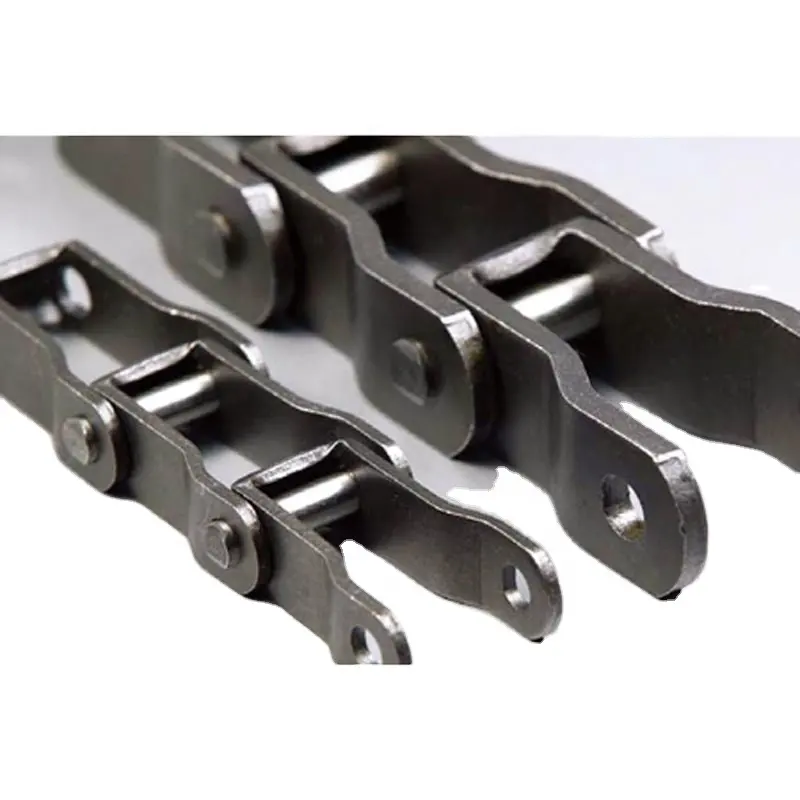
How do pintle chains handle misalignment between sprockets?
Pintle chains are designed to handle a certain degree of misalignment between sprockets, providing some flexibility in their operation. The ability to handle misalignment is essential in many industrial applications, where perfect alignment between sprockets may be challenging to maintain due to various factors.
Flexibility and Articulation:
Pintle chains are constructed with interlocking link plates and pins, which allow for some articulation between the chain links. This design enables the chain to bend and flex as it moves around the sprockets, accommodating slight misalignments without causing undue stress on the chain.
Compensating for Misalignment:
When pintle chains encounter misalignment between sprockets, they can adjust their shape slightly to compensate for the deviation. This feature helps to reduce wear on the chain, sprockets, and other components of the power transmission system.
Tolerance Limits:
However, it’s essential to note that pintle chains have specific tolerance limits for misalignment. Excessive misalignment beyond these limits can lead to premature wear and failure of the chain. Therefore, proper alignment during installation and regular maintenance to check for alignment issues are necessary to ensure optimal performance and longevity of the chain.
Guidelines for Proper Alignment:
To achieve the best performance and avoid premature wear, consider the following guidelines for proper chain alignment:
- Make sure sprockets are precisely aligned on their respective shafts.
- Check that the shafts supporting the sprockets are parallel and at the correct distance apart.
- Use appropriate tools and measurements to verify sprocket alignment during installation.
- Regularly inspect and adjust sprocket alignment if misalignment issues arise during operation.
Benefits of Proper Alignment:
Properly aligned pintle chains offer several benefits:
- Reduced Wear: Proper alignment minimizes wear on the chain and sprockets, increasing their lifespan.
- Smooth Operation: Optimal alignment ensures smooth and reliable chain movement, reducing the risk of chain jamming or skipping.
- Improved Efficiency: Correct alignment contributes to the overall efficiency of the power transmission system, reducing energy losses and improving performance.
In summary, pintle chains can handle some misalignment between sprockets due to their flexible and articulating design. However, maintaining proper alignment within the recommended tolerance limits is crucial for ensuring the longevity and reliable performance of pintle chains in industrial applications.
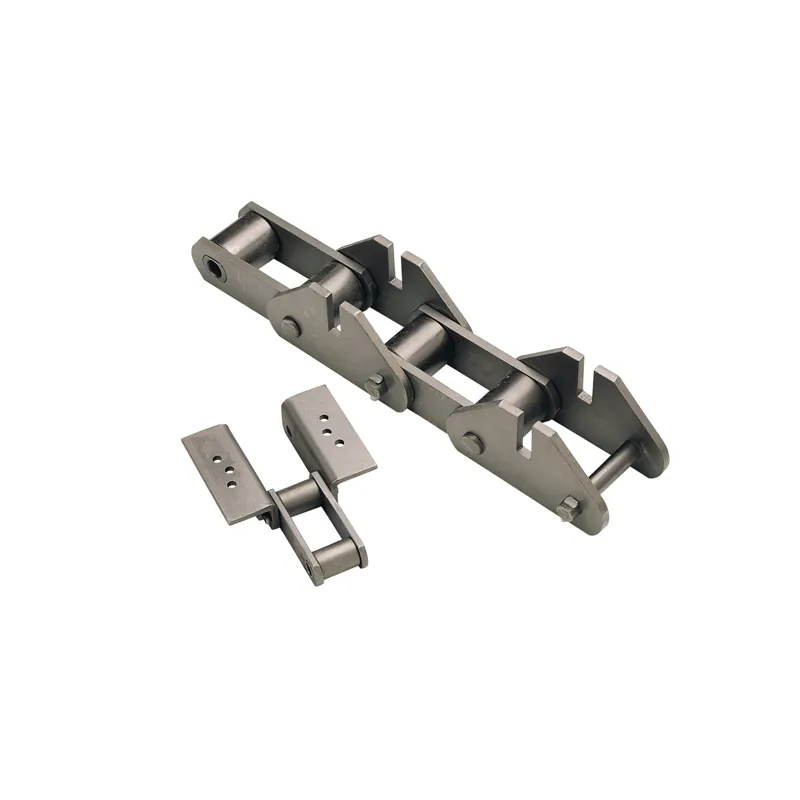
Can pintle chains be used in wastewater treatment and sewage systems?
Yes, pintle chains can be used in wastewater treatment and sewage systems for various applications. These chains are designed to handle heavy loads, continuous operation, and harsh environmental conditions, making them suitable for use in such demanding settings. Some of the specific applications of pintle chains in wastewater treatment and sewage systems include:
- Conveyor Systems: Pintle chains are used in conveyor systems to transport solids, sludge, or other materials through the treatment process. They can handle heavy loads and resist corrosion, making them suitable for moving abrasive and corrosive materials.
- Bar Screens and Rakes: Pintle chains are commonly used in bar screens and rakes that remove large debris and solids from wastewater. The robust design of pintle chains allows them to withstand the forces involved in pulling and lifting debris out of the water.
- Clarifiers and Thickeners: Pintle chains are used in clarifiers and thickeners to help separate solids from liquid wastewater. These chains operate under high torque and slow speeds to ensure effective separation.
- Aeration Systems: Pintle chains can be found in aeration systems where they are used to support and move diffusers or aerators that introduce air into the wastewater to facilitate biological treatment.
- Sludge Dewatering: Pintle chains are utilized in sludge dewatering equipment, such as belt filter presses, to squeeze and remove water from sludge before disposal.
- Scrapers and Skimmers: Pintle chains are employed in scrapers and skimmers that remove floating debris and scum from the water’s surface in sewage treatment basins.
When using pintle chains in wastewater treatment and sewage systems, it is crucial to select the appropriate chain material and lubrication to ensure resistance to corrosion and chemical exposure. Additionally, regular maintenance and inspection are essential to prevent chain wear and ensure continuous and reliable operation in these critical applications.
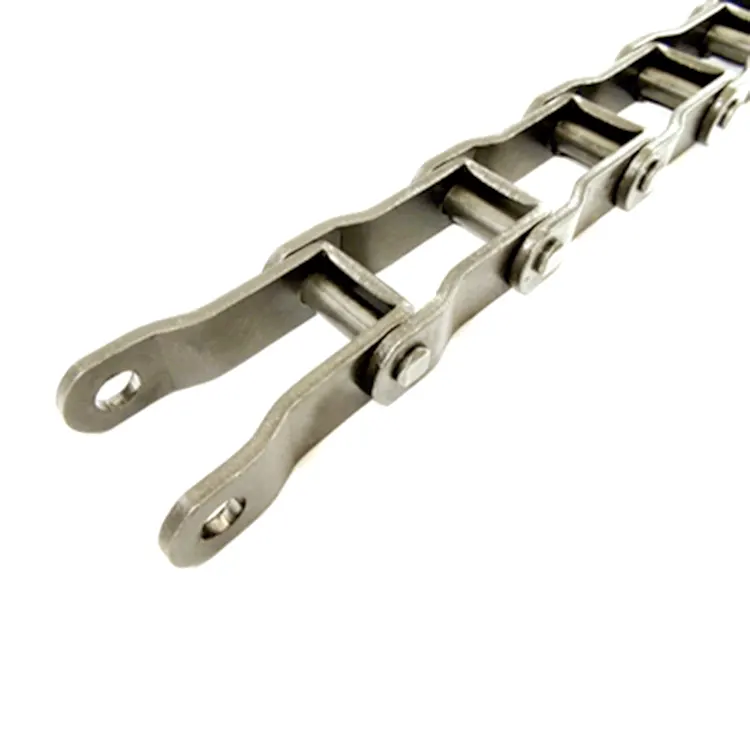
What materials are pintle chains typically made of?
Pintle chains are typically made from high-quality materials to ensure their durability and reliability in heavy-duty industrial applications. Here are the most common materials used to manufacture pintle chains:
- Carbon Steel: Carbon steel is the most common material used for pintle chains. It offers excellent strength and toughness, making it suitable for handling heavy loads and withstanding harsh conditions. Carbon steel pintle chains are cost-effective and widely used in various industries.
- Stainless Steel: Stainless steel pintle chains are preferred for applications where corrosion resistance is critical. Stainless steel contains chromium, which forms a protective oxide layer on the surface, providing excellent resistance to rust and corrosion. These chains are commonly used in food processing, pharmaceutical, and outdoor applications.
- Alloy Steel: Alloy steel pintle chains are formulated with specific alloying elements to enhance their mechanical properties. These chains offer improved strength, toughness, and wear resistance, making them suitable for demanding industrial applications.
- Plastic: In some cases, pintle chains are made from plastic materials, such as engineering-grade plastics. Plastic pintle chains are lightweight, corrosion-resistant, and ideal for applications where metal chains may not be suitable, such as in food handling or cleanroom environments.
The choice of material depends on the specific requirements of the application. For heavy-duty applications with high loads and harsh environments, carbon steel or alloy steel pintle chains are commonly used. In environments where corrosion is a concern, stainless steel pintle chains are preferred. Plastic pintle chains are chosen for their non-metallic properties, making them suitable for specific industries and environments.
In summary, pintle chains are available in various materials, including carbon steel, stainless steel, alloy steel, and plastic. Each material offers specific benefits and characteristics to meet the diverse needs of industrial applications.


editor by CX 2023-10-30