
Product Description
| MODEL | P | T | t | h | H | b | d |
| S16 | 100 | 30 | 15 | 27 | 8 | 16 | 14 |
| P102-W385 | 102 | 30 | 13 | 27 | 9 | 14 | 14 |
| RUS270 | 123 | 50 | 24 | 46 | 16 | 25 | 20 20.5 |
| Z20 | 125 | 50 | 24 | 48 | 15 | 26 | 20 |
| P140 | 140 | 78 | 31 | 50 | 19 | 32 | 25 |
| Z30 | 142 | 64 | 28.5 | 50 | 18 | 30.5 | 25 |
| 150 | 150 | 38 | 18 | 40 | 10 | 20 | 18 |
| P155 | 155 | 79 | 39.5 | 63.5 | 36 | 40.5 | 30 |
| Z25 | 160 | 58 | 28 | 55 | 18 | 30 | 25 |
| YD310 | 200 | 43 | 20 | 47 | 12 | 22 | 20 |
| A-3634 | 216 | 64 | 26 | 72 | 20 | 28.5 | 35 |
| X63 | 250 | 60 | 28 | 70 | 20 | 30 | 25 |
| P260 | 260 | 72 | 32 | 75 | 20 | 34 | 32 |
ZheJiang CHINAMFG Precision Casting and Forging Inc. was established in 2003, covering an area of 40,000 square meter with 300 employees. In 2571, the company passed the quality management system certification of GB/T 19001-2016 and ISO 9001:2015, and has a number of invention patents.It is a national high-tech enterprise.
Our main products are bucket teeth,side teeth,bucket adapter for excavator and loader; Forged pipe coupling for concrete pump ; Drop forged chain for scraper conveyor, etc. Other casting and forging parts canalsobecustomized accordingto customer drawings. The main materials are alloy steel, high manganese steel, gray iron, ductile iron, etc.
Our company can produce casting range in 0.1kg-2tons, forging range in 0.1kg-100kgs, casting and forging annual capacity of 10,000tons.From productdesign, mold development to heattreatment, machining and spraying, we provide the whole processof internal manufacturing to better control the cost and quality.
ZheJiang Plus Import and Export Trading Co., Ltd. was established in 2571, is Wanxin’s subsidiary, mainly responsible for marketing and export.
FAQ
Q1.Are you a manufacturer or a trading company?
we are totally manufacturer of machinery parts.
Q2.Can i get samples for checking the quality?
we can provide free samples,but you need to pay the freight.
Q3.What’s your MOQ?
For normal prodcuts,we don’t have MOQ.
For customerized products,we will tell you MOQ based on your drawing.
Q4.What’s your delivery time?
it’s about 7-45 days based on your quantity.
Q5.What’s your payment terms?
AmountAmount≥5000USD,T/T 30% as deposit,balance before delivery.
| Material: | Alloy |
|---|---|
| Structure: | Forging Chain |
| Surface Treatment: | Polishing |
| Chain Size: | 142 |
| Feature: | Heat Resistant |
| Certificate: | CE/ISO9001:2015 |
| Samples: |
US$ 100/Piece
1 Piece(Min.Order) | |
|---|
| Customization: |
Available
| Customized Request |
|---|
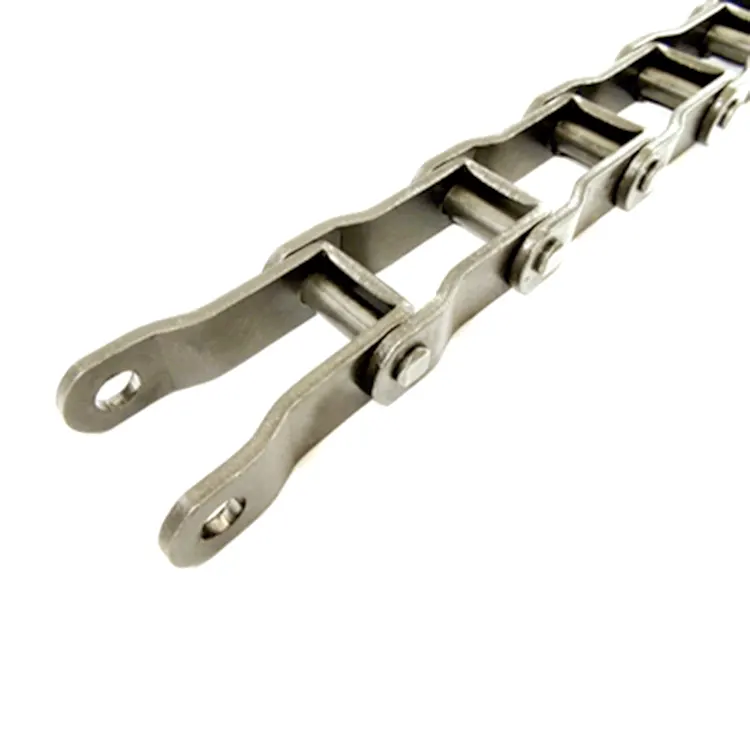
Can pintle chains be used for power transmission in industrial machinery?
Yes, pintle chains can be used for power transmission in various industrial machinery applications. Pintle chains are a type of roller chain that consists of interconnected link plates and pins. They are designed to handle heavy loads and provide reliable power transmission in demanding environments.
Power Transmission:
Pintle chains are commonly used in power transmission systems where rotary motion needs to be transferred from one shaft to another. They can transmit power efficiently and reliably, making them suitable for a wide range of industrial machinery and equipment.
Industrial Machinery Applications:
Pintle chains find applications in different types of industrial machinery, including but not limited to:
- Conveyors: Pintle chains are utilized in conveyor systems for moving bulk materials, such as in mining, agriculture, and manufacturing industries.
- Material Handling Equipment: Pintle chains are used in various material handling equipment, such as bucket elevators, apron conveyors, and drag conveyors.
- Forest and Timber Equipment: Pintle chains are employed in machinery used for log handling and processing in the forestry industry.
- Agricultural Equipment: Pintle chains are used in agricultural machinery like combine harvesters, balers, and manure spreaders.
- Mining Machinery: Pintle chains are suitable for heavy-duty applications in mining equipment like crushers, screens, and feeders.
Benefits for Power Transmission:
Pintle chains offer several advantages for power transmission in industrial machinery:
- Strength and Durability: Pintle chains are designed to handle heavy loads and provide long-lasting performance even in harsh environments.
- High Efficiency: Pintle chains have low friction, which results in efficient power transmission and reduced energy loss.
- Wide Speed Range: Pintle chains can operate at a wide range of speeds, making them suitable for various applications.
- Easy Maintenance: Proper maintenance, including regular lubrication and tension adjustments, can extend the life and performance of pintle chains.
In conclusion, pintle chains are versatile and reliable components for power transmission in industrial machinery. Their strength, durability, and efficiency make them suitable for a wide range of applications, ensuring smooth and reliable operation in demanding industrial environments.
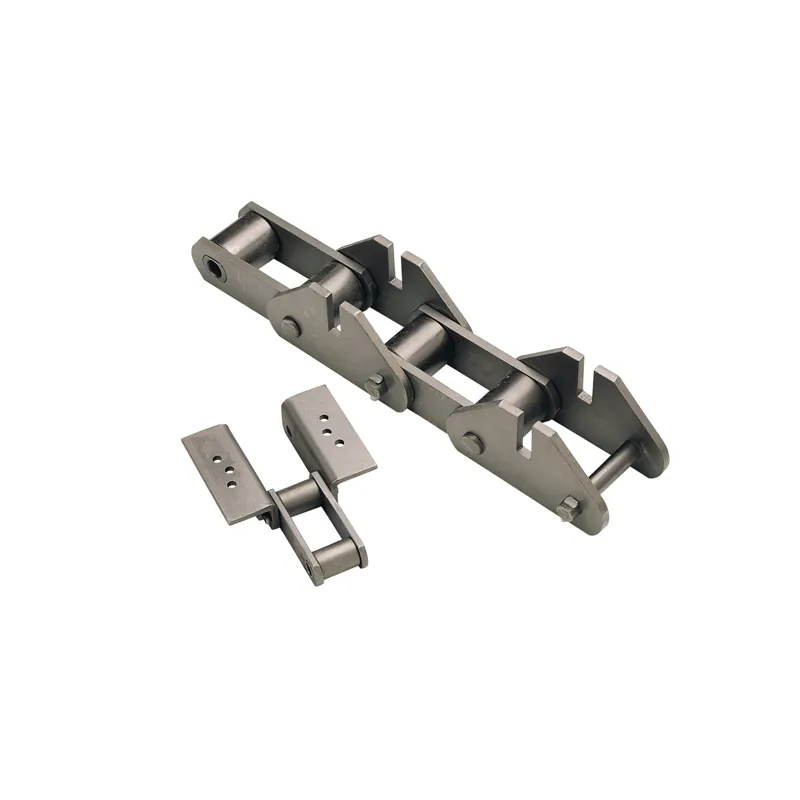
Can pintle chains be used in wastewater treatment and sewage systems?
Yes, pintle chains can be used in wastewater treatment and sewage systems for various applications. These chains are designed to handle heavy loads, continuous operation, and harsh environmental conditions, making them suitable for use in such demanding settings. Some of the specific applications of pintle chains in wastewater treatment and sewage systems include:
- Conveyor Systems: Pintle chains are used in conveyor systems to transport solids, sludge, or other materials through the treatment process. They can handle heavy loads and resist corrosion, making them suitable for moving abrasive and corrosive materials.
- Bar Screens and Rakes: Pintle chains are commonly used in bar screens and rakes that remove large debris and solids from wastewater. The robust design of pintle chains allows them to withstand the forces involved in pulling and lifting debris out of the water.
- Clarifiers and Thickeners: Pintle chains are used in clarifiers and thickeners to help separate solids from liquid wastewater. These chains operate under high torque and slow speeds to ensure effective separation.
- Aeration Systems: Pintle chains can be found in aeration systems where they are used to support and move diffusers or aerators that introduce air into the wastewater to facilitate biological treatment.
- Sludge Dewatering: Pintle chains are utilized in sludge dewatering equipment, such as belt filter presses, to squeeze and remove water from sludge before disposal.
- Scrapers and Skimmers: Pintle chains are employed in scrapers and skimmers that remove floating debris and scum from the water’s surface in sewage treatment basins.
When using pintle chains in wastewater treatment and sewage systems, it is crucial to select the appropriate chain material and lubrication to ensure resistance to corrosion and chemical exposure. Additionally, regular maintenance and inspection are essential to prevent chain wear and ensure continuous and reliable operation in these critical applications.
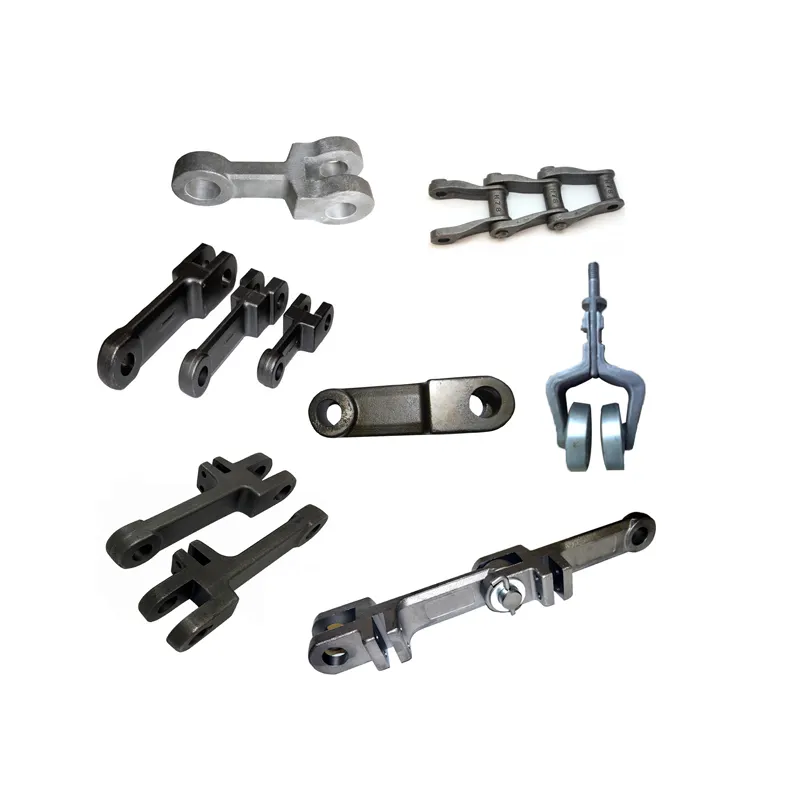
What are the maintenance requirements for pintle chains?
Maintaining pintle chains is essential to ensure their longevity and reliable performance. Here’s a more detailed explanation of the maintenance requirements:
Regular Lubrication:
Proper and regular lubrication is critical for pintle chains to reduce friction and wear between the pins, bushings, and rollers. Use a suitable lubricant that can withstand the operating conditions and temperature. Lubricate the chain at recommended intervals or as needed based on the manufacturer’s guidelines.
Inspection:
Regularly inspect the pintle chain for signs of wear, elongation, and damage. Look for excessive pin wear, loose or damaged attachments, and chain elongation. Address any issues immediately to prevent further damage and downtime.
Cleaning:
Keep the pintle chain clean and free from debris, dirt, and contaminants. Regularly clean the chain using a suitable cleaning agent or solvent to remove any buildup that may affect chain performance and longevity.
Adjustment:
Ensure the pintle chain is properly tensioned and adjusted to the correct slack. Excessive slack can lead to premature wear, while overtightening can cause additional stress on the chain components. Follow the manufacturer’s guidelines for proper tensioning and adjustment.
Replacement of Worn Parts:
If any components of the pintle chain are excessively worn or damaged beyond their useful life, such as pins, bushings, or rollers, replace them promptly with genuine replacement parts from the manufacturer.
Environment Considerations:
Consider the operating environment of the pintle chain. In corrosive or harsh environments, stainless steel or plastic pintle chains may be more suitable to reduce maintenance requirements related to corrosion.
Regular Maintenance Schedule:
Develop a regular maintenance schedule and follow it diligently. Document maintenance activities, including lubrication, inspections, and replacements, to track the chain’s condition and performance over time.
Operator Training:
Train operators and maintenance personnel on proper pintle chain maintenance procedures to ensure they are familiar with the maintenance requirements and best practices.
Conclusion:
Pintle chains require regular maintenance, including proper lubrication, inspection, cleaning, adjustment, and replacement of worn parts. Following a well-defined maintenance schedule and adhering to manufacturer’s guidelines will help extend the chain’s service life, reduce downtime, and ensure safe and efficient operation.


editor by CX 2023-10-09